
Tiyani Hahlani
Centre News Hub
Harare-Zimbabwean teachers are increasingly being pushed into poverty, debt and survivalist activities as worsening meagre salaries continue to erode the dignity of one of the country’s most essential professions.
A new Teachers’ Basket of Needs Survey conducted by militant educators’ representative body, Amalgamated Rural Teachers Union of Zimbabwe (ARTUZ) has exposed a grim picture of educators trapped in financial hardship, with many now relying on loans, side hustles and informal survival activities just to feed their families.
The report revealed that teachers earning between US$200 and US$350 per month are failing to meet basic living costs as inflation, transport expenses, food prices and healthcare costs continue to rise.
According to the survey, only 5.13% of teachers said their salaries are adequate to support their families, while 94.87% indicated that their earnings are failing to meet household needs.
The findings further revealed that nearly 80% of teachers are trapped in debt through bank loans, salary-based loans, microfinance institutions and informal lenders.
The worsening economic situation has forced many teachers into what ARTUZ described as a “Triple Burden,” where educators are balancing classroom duties with survivalist activities and domestic responsibilities.
The survey found that 63% of teachers survive solely on their salaries, while 17.95% have turned to farming, 14.10% survive through extra lessons, 12.82% rely on poultry projects, and 11.54% are now involved in risky informal activities such as artisanal mining to supplement incomes.
Food insecurity has also become widespread within the profession.
According to the findings, more than two-thirds of teachers said food alone consumes at least 41% of their monthly salaries, leaving little money for transport, school fees, accommodation or healthcare.
Housing conditions were also described as deteriorating.
The survey found that only 46.15% of teachers live in school-provided accommodation, while the remainder are forced into rented accommodation or self-provided shelter.
Nearly half of respondents rated their housing conditions as poor, while only 5.13% said their accommodation adequately meets family needs.
Transport costs have become another major burden.
The report established that 58% of teachers rely on public transport, while some educators in rural areas are forced to walk long distances daily because of poor infrastructure and a lack of transport support.
Some teachers are reportedly spending between US$20 and US$80 monthly on transport alone, consuming a significant portion of their already strained salaries.
Healthcare access has also worsened significantly.
More than 70% of teachers surveyed described healthcare services as poor or very poor, citing medication costs, consultation fees and transport expenses as major barriers to treatment.
Teachers are also spending between 10% and 30% of their salaries on energy costs, while many rural educators continue relying on firewood because of limited electricity access and the high cost of alternative energy sources.
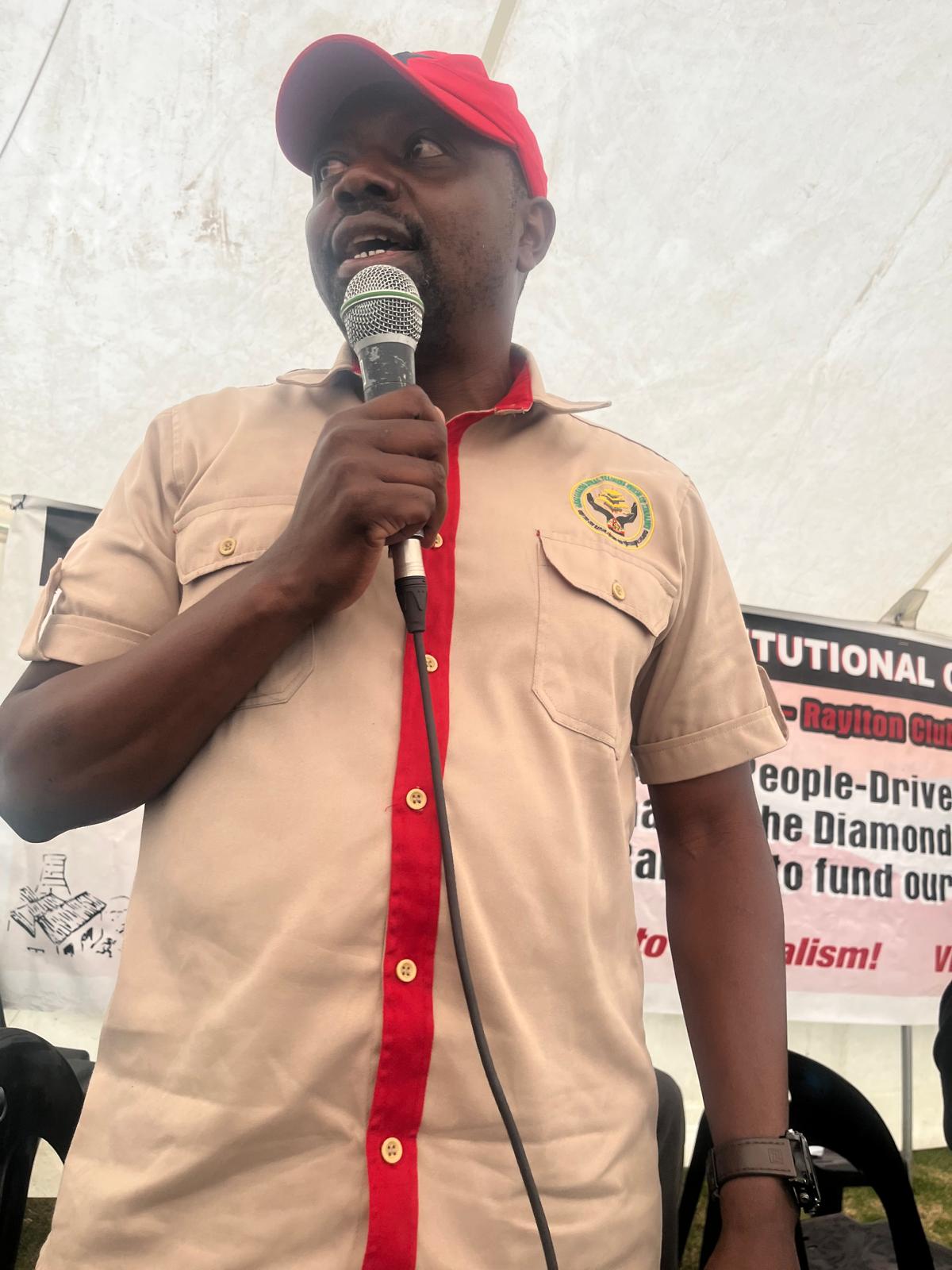
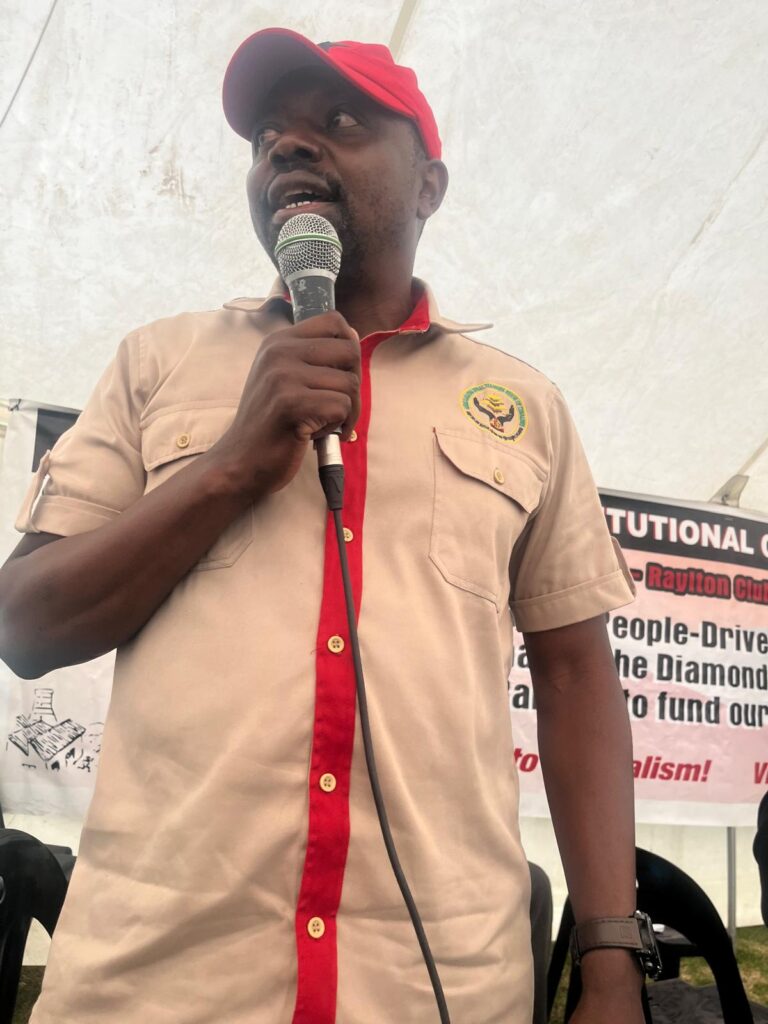
In a speech delivered during the official launch of the report, ARTUZ president Obert Masaraure described the findings as evidence of “a broken, anti-worker system that exploits educators.”
“The report we present today, the Teachers’ Basket of Needs Survey, is an unfiltered reflection of a broken, anti-worker system that exploits educators, demanding high productivity in exchange for meagre wages,” said Masaraure.
He added that the economic environment had disconnected teachers’ salaries from the actual cost of living, affecting educators’ health, family welfare and overall wellbeing.
The report further warned that deteriorating welfare conditions are threatening the sustainability of Zimbabwe’s education system as increasing numbers of teachers reportedly leave the profession or migrate to neighbouring countries in search of better opportunities.
Following the launch of the survey, ARTUZ declared the start of Operation Dignity, a national campaign to combat poverty wages and deteriorating working conditions among civil servants.
The union is demanding a living wage indexed to the Total Consumption Poverty Line, free healthcare for teachers, improved housing infrastructure, affordable transport systems and restoration of dignity within the teaching profession.