
By Tabe Ishimael Danirayi writing on his own behalf
Inclusion is not merely a social ideal; it is a fundamental human right. A truly inclusive city is one where every resident, regardless of physical ability, sensory condition, or intellectual capacity, can participate fully in community life with dignity and independence. While Zimbabwe has made commendable constitutional and policy commitments toward disability inclusion, many urban centres still face significant challenges in translating these commitments into practical realities. Masvingo, one of Zimbabwe’s historic and developing cities, is no exception.
Persons with disabilities in Masvingo continue to encounter barriers that limit their access to education, employment, transport, healthcare, public services, and participation in decision-making processes. Unless deliberate and coordinated action is taken, these barriers will continue to marginalise a significant section of the population and hinder sustainable urban development.
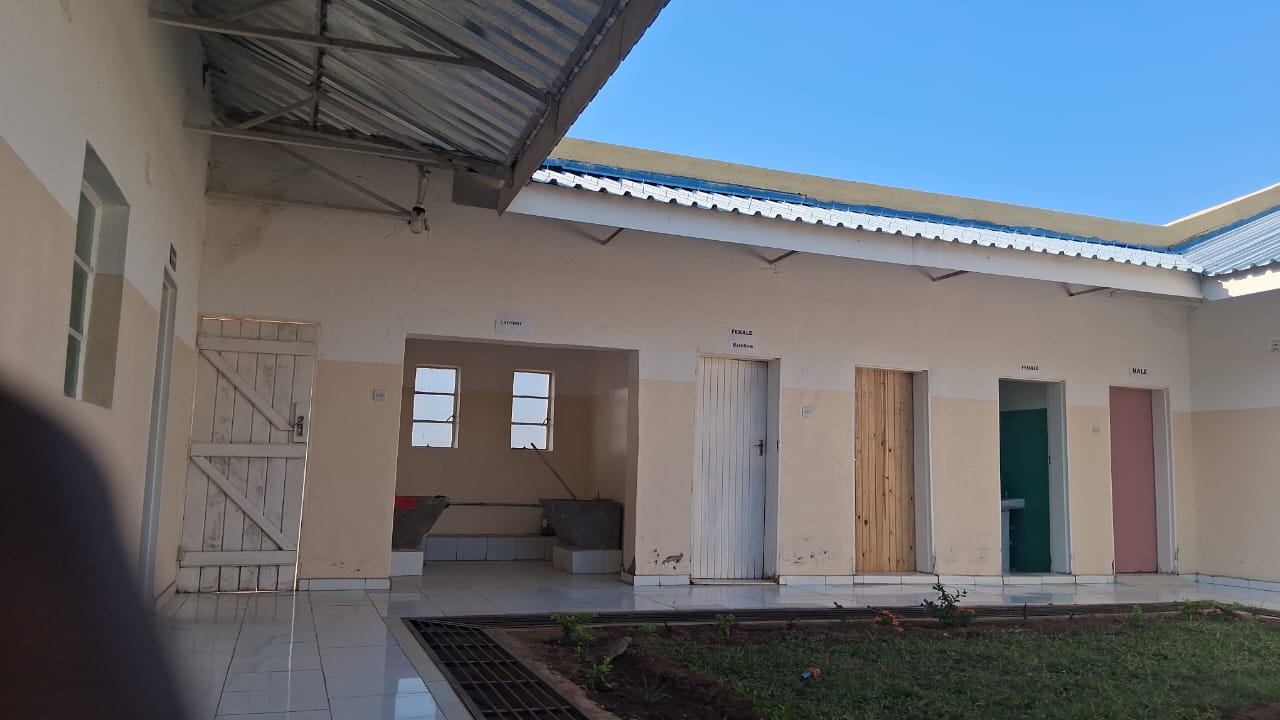
One of the most visible barriers in Masvingo is the inaccessible infrastructure. Many public buildings, shopping centres, schools, churches, markets, and government offices were constructed without consideration for people with mobility impairments, visual impairments, or other disabilities. Ramps are either absent or poorly designed, pavements are uneven, public toilets are inaccessible, and many buildings still rely solely on staircases. Such environments effectively exclude wheelchair users and create unnecessary difficulties for people with physical challenges.
Public transport also remains a major obstacle. Kombis and buses commonly used in the city are generally not disability friendly. Boarding public transport can be extremely difficult for wheelchair users, older persons, and individuals with mobility impairments. In some cases, transport operators display discriminatory attitudes or impatience toward passengers with disabilities. Poorly designed bus stops and the absence of transport support services further compound the problem. As a result, many persons with disabilities struggle to access schools, workplaces, clinics, and social spaces.
Negative societal attitudes continue to deepen exclusion. Despite growing awareness about disability rights, some communities still associate disability with dependency, inability, or even misfortune. Persons with disabilities are often viewed through the lens of pity rather than empowerment. This stigma can lead to social isolation, discrimination in employment, and exclusion from leadership and community activities. Women and girls with disabilities are especially vulnerable, often facing double discrimination based on both gender and disability.
Inclusive education, though officially promoted in Zimbabwe, also faces serious implementation challenges in Masvingo. Many schools lack trained special needs educators, assistive learning materials, accessible infrastructure, and adequate funding for inclusive learning programs. Learners with disabilities may therefore struggle to fully participate in classroom and extracurricular activities. In some cases, parents are forced to keep children with disabilities at home due to the absence of supportive educational environments.
Economic exclusion is another pressing concern. Many persons with disabilities experience high levels of unemployment and poverty due to limited access to vocational training, business opportunities, and formal employment. Employers may still hold misconceptions about the productivity and capabilities of people with disabilities. Limited access to loans and financial support also reduces opportunities for entrepreneurship and economic independence.
Another major challenge is the limited involvement of persons with disabilities in urban planning and governance processes. Decisions concerning infrastructure development, housing, transport systems, and public services are often made without meaningful consultation with those directly affected by accessibility barriers. As a result, city development plans may unintentionally perpetuate exclusion rather than promote inclusion.
To transform Masvingo into a disability-friendly city, a comprehensive and collaborative approach is required. The city council and relevant authorities must prioritise universal design principles in all infrastructure projects. Public buildings, roads, recreational facilities, and transport systems should be redesigned or upgraded to ensure accessibility for all citizens. Accessibility should no longer be viewed as an optional addition but as a basic requirement of modern urban planning.
Public transport systems should also be improved to accommodate persons with disabilities. This may include introducing accessible buses, training transport operators on disability rights and inclusion, and improving the design of bus stops and pedestrian walkways.
Education authorities should strengthen inclusive education by training more special needs teachers, increasing funding for assistive technologies, and ensuring that schools provide supportive learning environments for all learners. Inclusive education not only benefits learners with disabilities but also promotes tolerance, empathy, and social cohesion within communities.
Economic empowerment programs are equally important. Government institutions, local authorities, private companies, and development organisations should create employment opportunities, vocational training initiatives, and entrepreneurship support programs specifically targeting persons with disabilities. Financial inclusion and equal access to economic opportunities are essential for reducing poverty and dependency.
There is also a need for sustained public awareness campaigns aimed at combating stigma and changing negative perceptions about disability. Communities must begin to recognise persons with disabilities not as passive recipients of charity, but as capable citizens with valuable talents, ideas, and contributions to society.
Most importantly, persons with disabilities must be actively involved in decision-making processes. The principle of “Nothing About Us Without Us” should guide all policies and development initiatives. Inclusion cannot be achieved without listening to and empowering those directly affected by exclusion.
Masvingo has the potential to become a model inclusive city in Zimbabwe if deliberate action is taken to remove barriers and promote equal participation for all residents. A disability-friendly city benefits not only persons with disabilities but society as a whole. When cities are designed to accommodate everyone, they become safer, fairer, and more humane for all citizens.
True development is measured not by the height of buildings or the size of roads, but by the extent to which every member of society can live with dignity, opportunity, and belonging.