
By Tabe Ishimael Danirayi
Masvingo-A child should grow up in an environment filled with love, care, protection, and opportunity. Sadly, many children continue to face abuse, neglect, exploitation, and violence in their homes, schools, and communities. Child protection is therefore not merely the responsibility of parents or government departments; it is a collective responsibility that belongs to every member of society.
Child protection means safeguarding every child from physical, emotional, and sexual abuse, neglect, exploitation, and any form of violence that threatens their health, development, dignity, or future. In Zimbabwe, the Constitution, the Children’s Act, the Education Act, and international agreements to which the country is a signatory all recognise that every child has the right to protection, education, health care, and a safe environment in which to grow and develop.
One of the greatest threats to children remains violence and abuse. Physical punishment that causes injury, sexual abuse, child marriage, emotional abuse, bullying, and intimidation leave lifelong scars. Many children suffer in silence because they fear not being believed or because they do not know where to seek help. Every adult has a moral and legal duty to protect children and to report suspected abuse without delay.
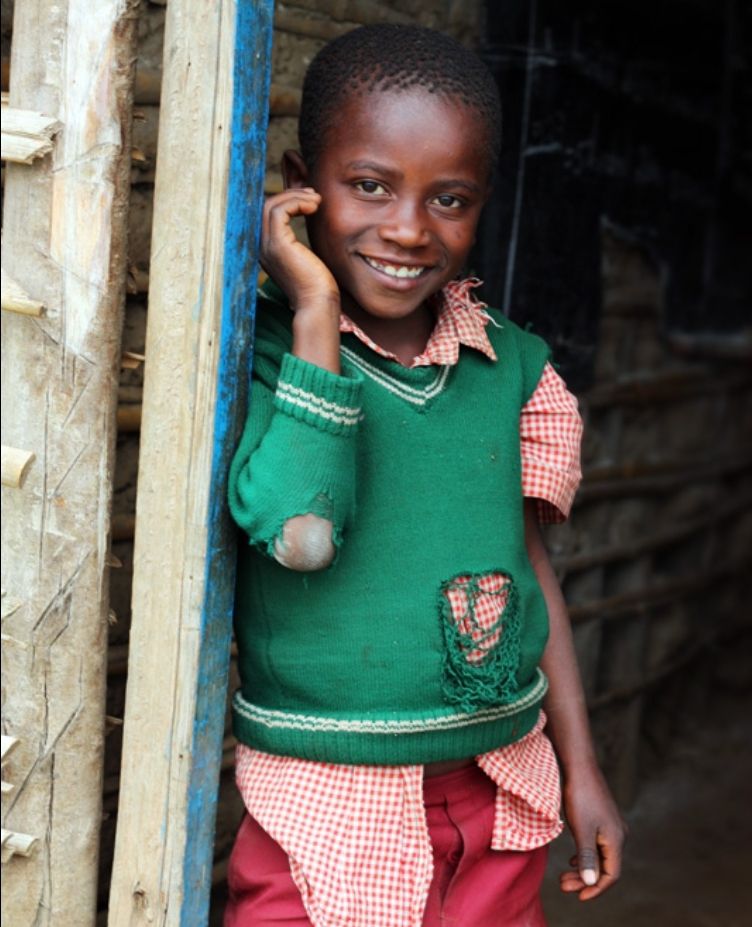
Neglect is another hidden form of child abuse that often goes unnoticed. While poverty contributes too many cases of neglect, children should never be denied food, clean water, shelter, clothing, health care, education, or proper supervision. A child left alone for long periods, withdrawn from school to herd cattle or work in fields, or denied medical attention is exposed to unnecessary risks that may permanently affect their development.
Child exploitation continues to rob many young Zimbabweans of their childhood. Some children are forced into hazardous labour in agriculture, mining, domestic work, street vending, or cross-border activities instead of attending school. Others become victims of trafficking, while some girls are pushed into early marriages or exploitative relationships that expose them to gender-based violence, early pregnancy, and lifelong poverty. Such practices violate children’s rights and undermine national development.
Schools must remain places of safety where learners are protected from abuse, discrimination, and bullying. School authorities should promote positive discipline, uphold professional standards among staff, provide secure learning environments, ensure adequate sanitation facilities for both girls and boys, and establish confidential reporting mechanisms for child protection concerns. Every learner deserves to feel safe while pursuing an education.
Communities also play an indispensable role in protecting children. Traditional leaders, religious organisations, School Development Committees, community-based organisations, and parents should work together to create environments where children are valued, respected, and protected. Harmful cultural practices, silence surrounding abuse, and attitudes that normalise violence against children must be challenged through continuous awareness campaigns and community dialogue.
As technology becomes more accessible, children also face increasing online dangers. Exposure to inappropriate content, cyberbullying, online grooming, and digital exploitation require parents, teachers, and caregivers to guide children in the responsible use of mobile phones and the internet while remaining alert to potential risks.
Children with disabilities, orphans, children living with albinism, and those from vulnerable families often face heightened risks of abuse, discrimination, and exclusion. True child protection demands that these children receive equal opportunities, accessible services, and additional safeguards to ensure they enjoy the same rights and dignity as every other child. Inclusive communities are safer communities for all children.
Prevention remains the strongest weapon against child abuse. Parents should embrace positive discipline that teaches rather than harms. Schools should provide age-appropriate life skills education that empowers children to understand personal safety, recognise inappropriate behaviour, and know whom they can trust when seeking help. Communities must encourage children to speak out without fear and ensure that every report of abuse is taken seriously.
Whenever abuse or neglect is suspected, immediate action can save a child’s life and future. Concerns should be reported to the school head, the School Development Committee where appropriate, the Police Victim Friendly Unit, the Department of Social Development, or Child line Zimbabwe. Silence protects perpetrators; reporting protects children.
Every child has the right to dream, learn, play, and grow in safety. Protecting children is not an act of charity but a legal, moral, and social obligation. A nation that safeguards its children lays a strong foundation for peace, justice, and sustainable development. Let us therefore stand together as parents, educators, community leaders, policymakers, and citizens to ensure that every child in Zimbabwe enjoys a childhood free from fear, abuse, neglect, and exploitation.
The best interests of the child must always be our first consideration.