
Tiyani Hahlani
Centre News Hub
BIKITA- As trucks carrying lithium ore leave Bikita district for international markets, women living in communities surrounding Sino-Bikita Minerals Mine say they are still battling water shortages, poor health services and growing social challenges despite years of mining activity in the area.
During the recently held Investments and Equity Indaba in Bikita, women from mining-affected communities shared concerns over what they described as unequal development, saying the district’s mineral wealth has not translated into meaningful improvements in their daily lives.
The meeting, organized by the Zimbabwe Coalition on Debt and Development (ZIMCODD) in collaboration with the Zimbabwe Council of Churches (ZCC) and the Zimbabwe Environmental Law Association (ZELA), brought together community members, local leaders, civil society organisations and government representatives to discuss the impact of mining activities in Bikita.
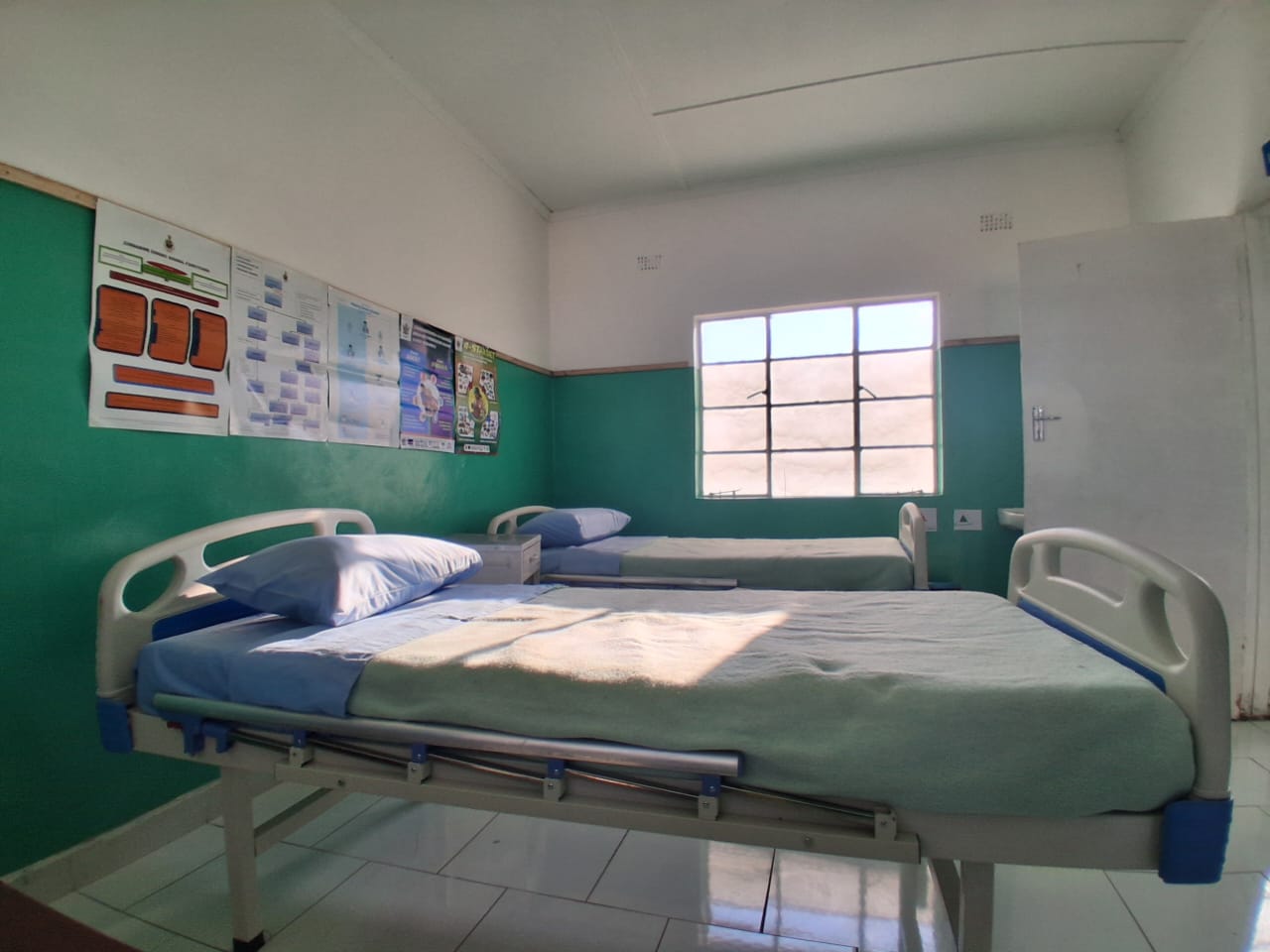
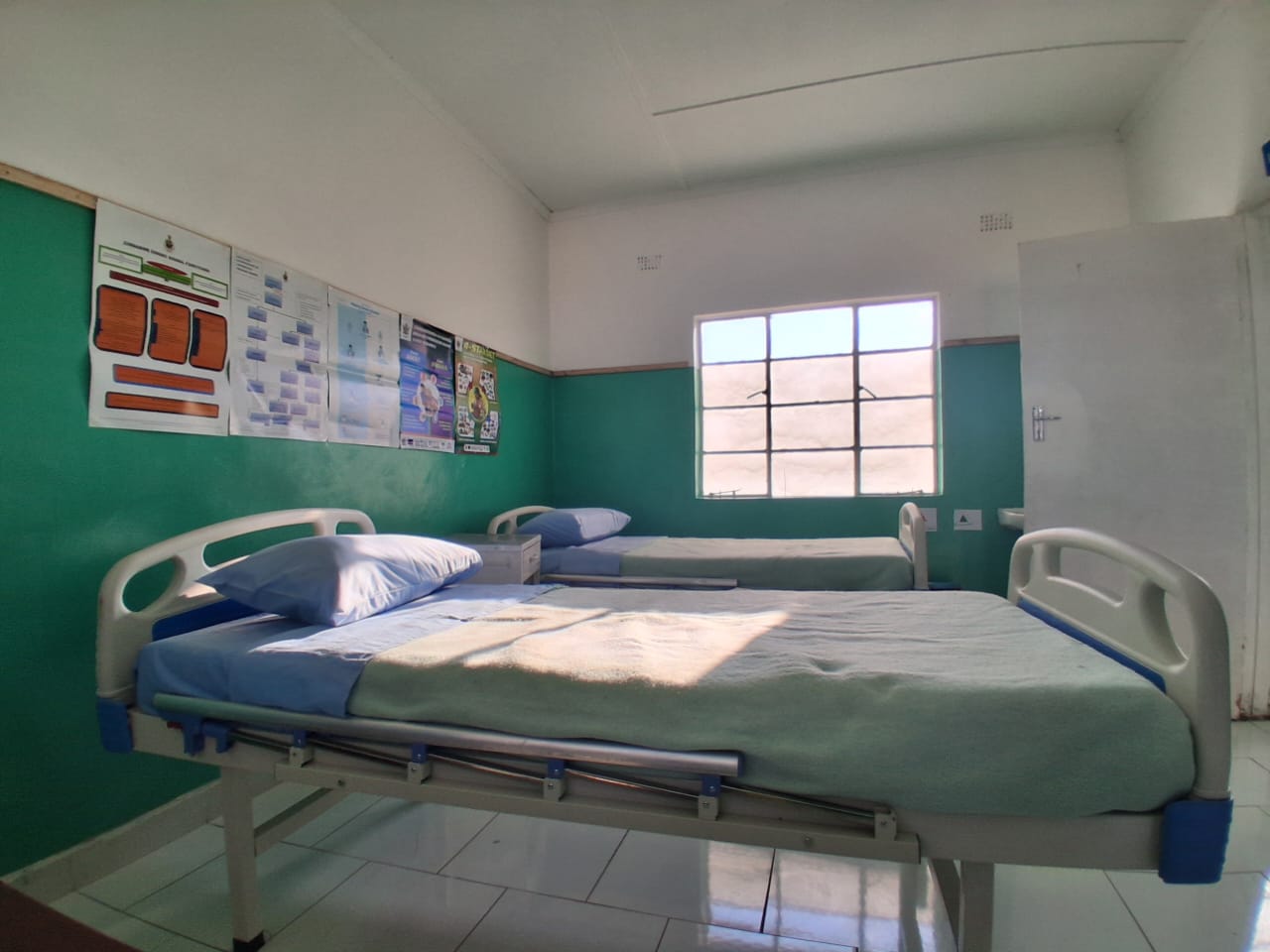
Speaking during the meeting women in Bikita acknowledge the health infrastructure that the mine build for them but the shortage of critical facilities such as a mothers’ shelter and reliable water supply remain unavailable, placing pregnant women at risk.
“As women living near Bikita Minerals, we appreciate that the mine managed to build a clinic for the community, but we still need a mothers’ shelter for expectant women because women are facing challenges when they are about to deliver,” said one community member during the discussions.
The women also appealed to the mining company to dedicate part of its proceeds towards improving maternal health infrastructure and access to clean water.
“We are only asking the mine to spare even a few percent from the products they sell so that they can help build this facility and improve our lives and also we would want access clean water even if the install solarized boreholes in the areas,” she added.
Their concerns reflect broader frustrations emerging from communities located near one of Zimbabwe’s largest lithium mining operations, where residents say development has remained uneven despite increasing global demand for lithium, a key mineral used in electric vehicle batteries and renewable energy technologies.
Women attending the Indaba highlighted that water shortages have become one of the biggest burdens affecting families, particularly women and girls who are often responsible for fetching water.
“Women are now travelling more than five kilometers to access clean water after community water sources were reportedly affected by mining activities and the construction of a slime dam,” she said.
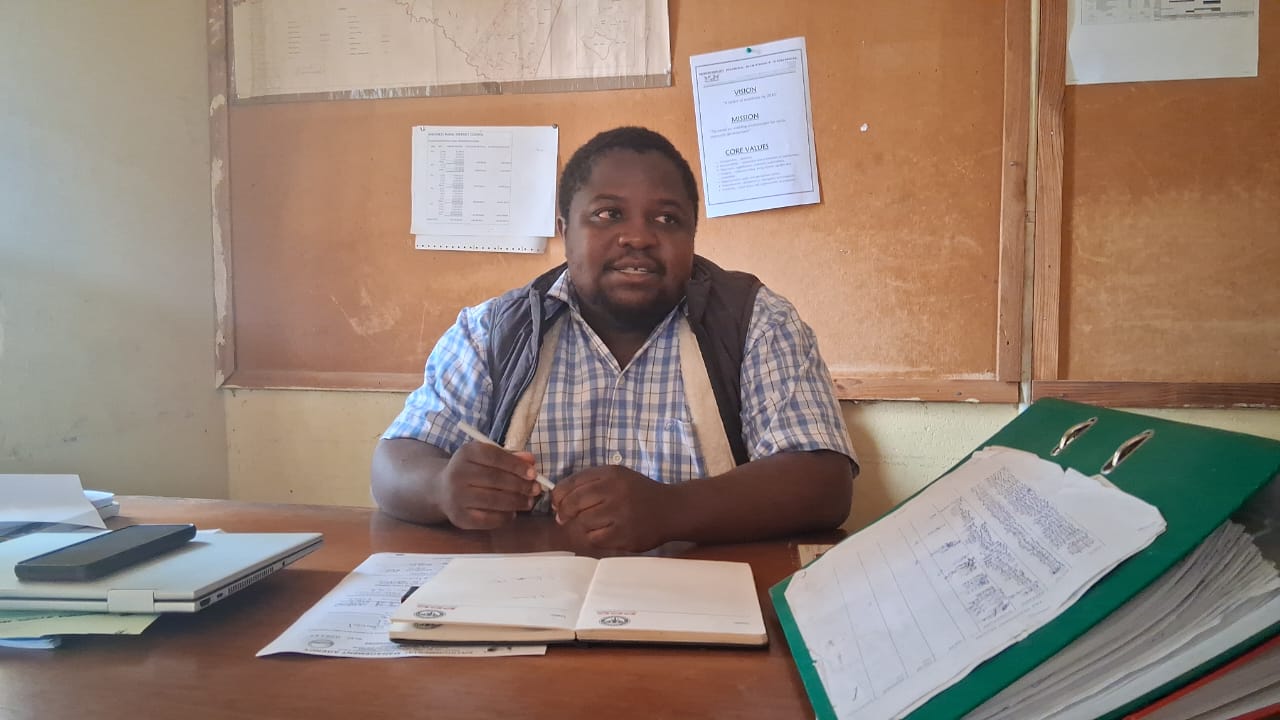
Bikita Institute of Land Development (BILAD) team leader, Mountain Mujakachi said the construction of the slime dam in Murape Village buried a communal well that had long served residents in Ward 11 under Chief Marozva.
“Residents were forced to travel long distances to Beardmore Primary School to fetch clean water while livestock also suffered acute shortages during winter,” said Mujakachi.
Community members further raised alarm over alleged pollution and leakages from mining waste facilities, saying contaminated water is now being used for household purposes and consumed by livestock.
Beyond environmental concerns, women at the gathering also highlighted rising social problems within mining communities, including child abuse, early marriages and school dropouts among young girls.
Participants described mining areas as increasingly vulnerable social spaces where women and girls are exposed to exploitation and economic hardship while receiving limited protection and support services.
Zimbabwe Coalition on Debt and Development, Programs Assistant, Gracia Mashingaidze said the Bikita District Alternative Mining Indaba was meant to create a platform where mining-affected communities could openly raise concerns and shape advocacy priorities around extractive governance.
“The discussions around strengthening and capacitating community structures such as VIDCOs, WADCOs and proposed community liaison committees marks an important step towards building sustainable grassroots accountability mechanisms,” she said.
The Indaba also exposed concerns around weak corporate accountability, with communities questioning whether Corporate Social Responsibility programmes being implemented by mining companies are adequately addressing local needs.
Women from the community specifically called for the Chinese owned mining company to support projects such as solarised boreholes, fencing at community facilities, security services and the construction of a mothers’ shelter through Corporate Social Responsibility initiatives.
Despite the challenges, women at the meeting said they are not opposing mining activities but are demanding inclusive development that improves community wellbeing alongside mineral extraction.
As Zimbabwe positions itself as a major player in the global lithium market, communities in Bikita say the success of the mining sector should also be measured by safer water, better maternal healthcare and dignified living conditions for the women living beneath the lithium boom.
Efforts to get a comment from Bikita Minerals mine Spokesperson, Tino Chakanyuka over the women concerns were not fruitful.