
By News Editor
Centre News Hub
MWENEZI — For 50-year-old Gladys Munhanganisi of Patronela Village under Headman Jelele in Ward 6, accessing medical care was once a privilege few could afford.
Nestled in Mwenezi’s arid resettlement area, villagers previously faced a gruelling 50km trek to the nearest health facility at Lundi.
A Journey of Pain and Risk

The situation was most dangerous for pregnant women.
Expectant mothers often delivered at home or on the roadside while attempting the long journey to a clinic. For the elderly and vulnerable, illness or emergencies came down to survival and luck, especially when transport was unavailable.
Compounding the crisis, the area has long suffered high rates of preventable illnesses like diarrhoea and dysentery due to scarce clean water. Dog bites were also common, increasing the need for emergency treatment. For a community of predominantly subsistence farmers, every hour spent travelling to seek care was also an hour lost tending livestock and fields — deepening the cycle of poverty that distance from essential services often entrenches.
New Clinic Brings Hope
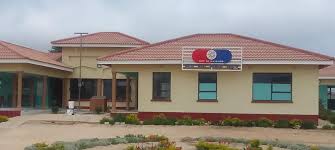
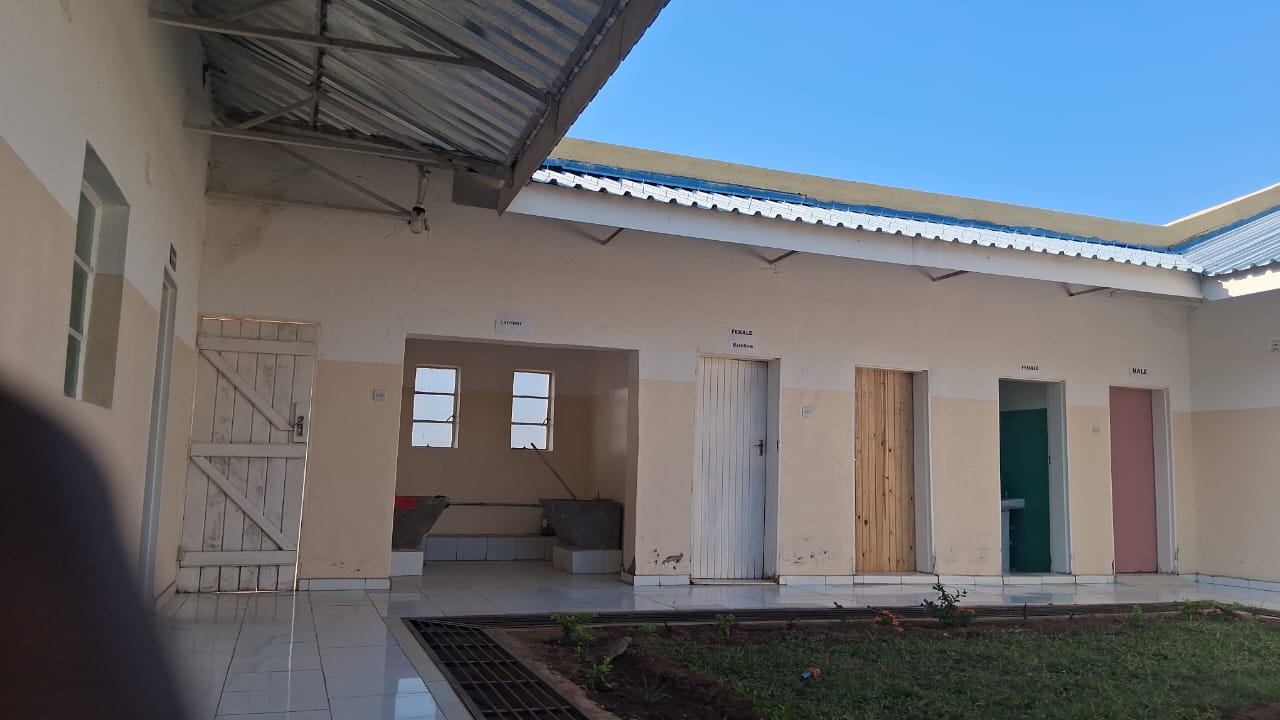
That chapter has now closed with the opening of the state-of-the-art Patronela Clinic, established following intervention by Mwenezi Rural District Council after it recognised the community’s desperate need.
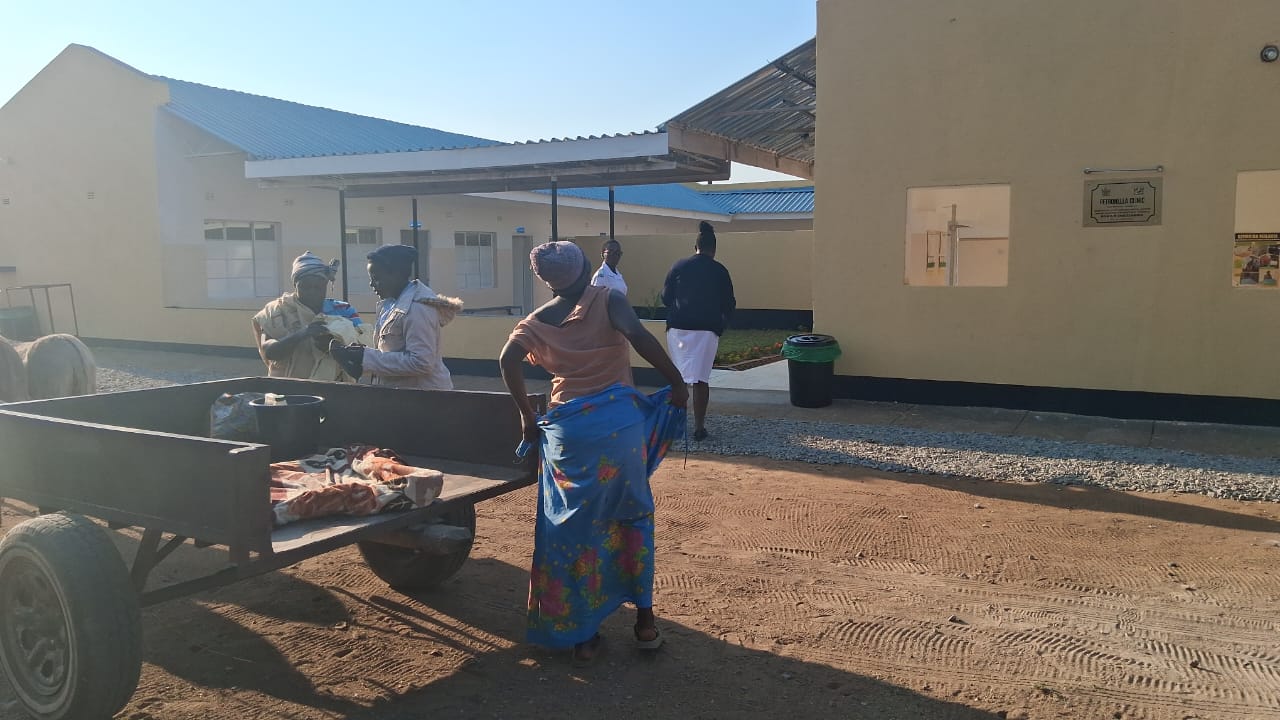
“For us in this area, seeking health services was like a privilege,” Munhanganisi told Centre News Hub while transporting her heavily pregnant daughter-in-law on a donkey-drawn scotch cart.
“I can’t imagine what we would have done without this clinic. She developed complications unexpectedly at home, and the nearest alternative clinic is over 50 kilometres away.”
The facility was officially opened by the Minister of State for Masvingo Provincial Affairs and Devolution, Hon. Ezra Chadzamira, and has already become a lifeline for residents.
Devolution Bringing Services Closer to the People
The Patronela Clinic stands as a tangible outcome of Zimbabwe’s devolution agenda, anchored in Chapter 14 of the Constitution, which empowers local authorities to plan and deliver services responsive to community needs rather than relying solely on centralised systems. Funded and driven through the Devolution and Decentralisation Fund, the project illustrates how resources channelled to district level can translate directly into life-saving infrastructure for communities long considered too remote to prioritise. Local leaders say the clinic is one of several devolution-funded projects reshaping service delivery in Mwenezi, reinforcing the principle that development planning must start with — and respond to — the people it is meant to serve.
Fully Equipped to Serve 26,000 People
According to Nurse-in-Charge Sr. Nyarai Dzivaidzo, the clinic serves a catchment population of over 26,000.
It offers emergency services and a full range of clinical care, including treatment of opportunistic infections, postnatal care, and family planning.
Crucially, the clinic has a fully equipped maternity wing with capacity for 12 expectant mothers — a critical intervention in a district where maternal deaths from preventable, delivery-related complications had previously gone undocumented.
The facility is staffed by two qualified nurses — Sr. Nyarai Dzivaidzo and Sr. Abigirl Chanda — plus three support staff. It is also well-stocked with essential vaccines and pharmaceutical drugs.
Aligned to National, Regional and Global Health Priorities
The clinic’s establishment feeds directly into the objectives of Zimbabwe’s second National Development Strategy (NDS2) and the Ministry of Health and Child Care’s National Health Strategy, both of which prioritise expanding access to primary healthcare, reducing maternal and under-five mortality, and strengthening health infrastructure in underserved rural districts as part of the drive toward Vision 2030.
Regionally, the intervention resonates with the SADC Protocol on Health, which commits member states to strengthening primary healthcare systems and improving equitable access to services across the region, as well as the African Union’s Africa Health Strategy under Agenda 2063, which calls for universal access to quality healthcare as a foundation for the continent’s development.
On the global stage, the clinic’s focus on maternal, postnatal, and emergency care mirrors priorities championed by the World Health Organisation’s push for Universal Health Coverage (UHC) and UNICEF’s maternal and child health programming, both of which identify distance to the nearest facility as a leading driver of preventable maternal and infant deaths in rural sub-Saharan Africa. By bringing a fully equipped maternity wing within reach of a 26,000-strong population, Patronela Clinic directly advances Sustainable Development Goal 3 on good health and well-being, including its targets on reducing maternal mortality and ensuring universal access to sexual and reproductive healthcare.
Restored Dignity
For the people of Patronela, the clinic represents more than bricks and mortar.
“It signifies restored dignity, safety, and a brighter, healthier future for generations to come,” residents said.
Beyond the physical infrastructure, community members say the clinic has restored a sense of security that had long eroded — expectant mothers no longer face the terrifying calculus of whether to risk the road or risk staying home, and the elderly and chronically ill no longer measure survival by the availability of transport on any given day