
Tiyani Hahlani
Centre News Hub
MASVINGO — As disaster management ministers and senior officials from across Southern Africa convene in Masvingo for the SADC Committee of Ministers Responsible for Disaster Risk Management meeting, one message is becoming increasingly clear: women and young people are emerging as the backbone of disaster response in vulnerable communities across the region.
From devastating floods in Malawi and Mozambique to recurring droughts affecting millions across Southern Africa, ordinary citizens are often forced to become first responders long before humanitarian assistance arrives.
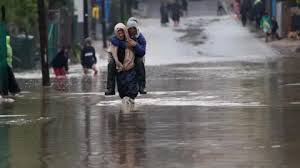
In many rural communities, women are the ones rescuing children, securing food supplies, caring for displaced families and rebuilding homes after disasters strike.
At the same time, young people are increasingly volunteering in emergency response activities, spreading early warning information and assisting affected communities during crises.
These realities formed part of the discussions during the high-level SADC meeting currently underway at the Great Zimbabwe Hotel under the theme “Building Back Better Together: Advancing Resilient Recovery and Sustainable Development in SADC.”
Speaking during the official opening ceremony, Minister of Local Government and Public Works Daniel Garwe said communities remain at the centre of disaster risk reduction efforts.
“At the heart of disaster risk reduction are our communities. It is the communities that are first affected and often first to respond to disasters,” said Garwe.
He emphasized the need for Community-Based Disaster Risk Management systems that empower ordinary citizens, particularly women, youth and persons with disabilities.
“We must therefore empower these grassroots communities through Community-Based Disaster Risk Management systems, as well as promoting inclusive approaches that leave no one and no place behind,” he added.
The meeting comes at a time when Southern Africa continues to experience increasingly severe climate-related disasters.
Recent floods and cyclones in countries such as Madagascar, Malawi, Mozambique and South Africa left thousands displaced, while prolonged droughts continue to threaten food security and livelihoods across the region.
SADC leaders say climate change, rapid urbanisation and socio-economic challenges are worsening the frequency and intensity of disasters.
South Africa’s Minister of Cooperative Governance and Traditional Affairs, Velenkosini Hlabisa, said disasters continue to reverse development gains and expose vulnerable communities to recurring suffering.
“These cumulative crises reverse development, resulting in high mortality rates and chronic food insecurity”.
“We are therefore compelled to strengthen our collective resolve to build resilient societies and ensure that no one is left behind, including our youth, women, people with disabilities and the elderly,” said Hlabisa.
Despite their critical role during emergencies, women and youth often receive little recognition in national disaster response strategies.
However, regional leaders at the Masvingo gathering are now calling for greater investment in community resilience, early warning systems and local preparedness initiatives that directly involve vulnerable groups.
SADC Deputy Executive Secretary for Regional Integration, Angele Makombo N’tumba, said empowering women and youth is essential in building sustainable disaster management systems.
“Our resilience agenda must empower communities, especially the youth and women, who are often the first responders in times of crisis”.
“Their inclusion strengthens ownership and sustainability of our disaster risk management strategies,” she said.
As Southern Africa faces growing climate uncertainty, many communities are increasingly relying not only on government intervention, but also on the courage, resilience and leadership of ordinary people.
For women balancing family survival during floods and droughts, and for young volunteers helping communities prepare for disasters, resilience is no longer just a policy discussion; it has become a daily reality.