
News Editor
Centre News Hub
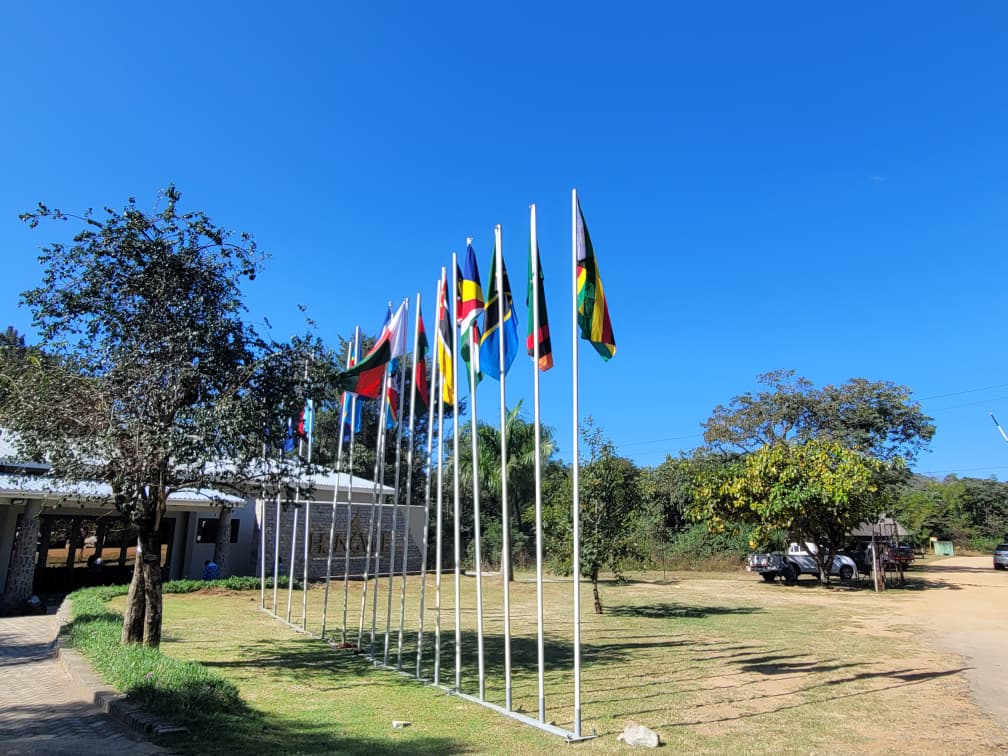
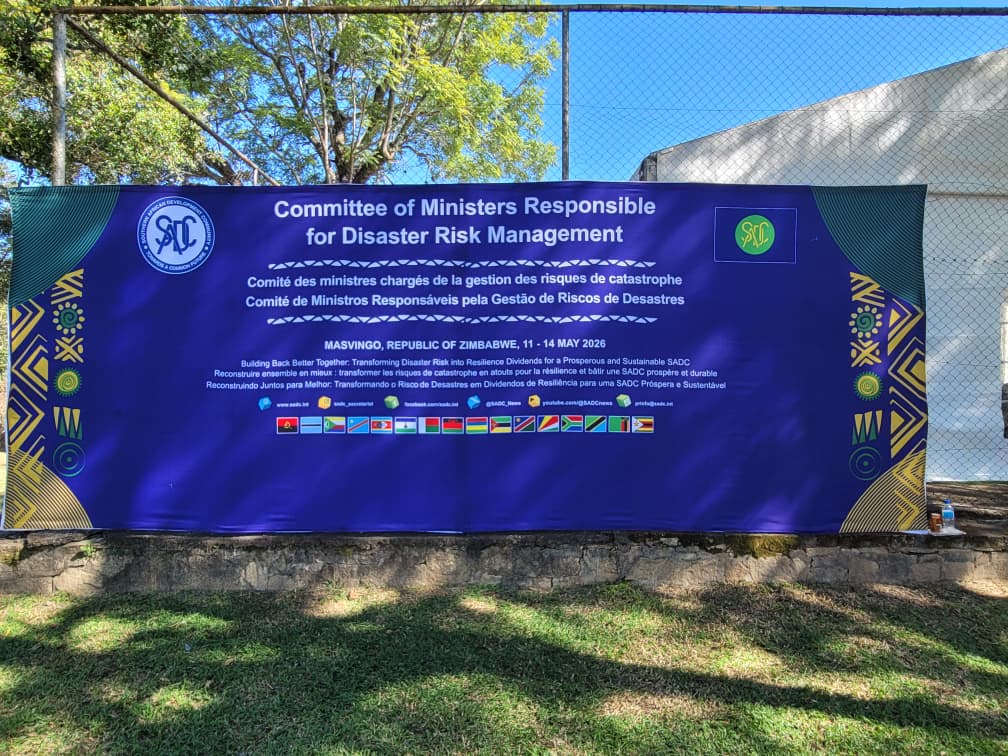
Masvingo — Ministers and officials from Southern Africa Development Community (SADC) gathered at Great Zimbabwe Hotel in Masvingo for the sixth ordinary meeting of the Committee of Ministers responsible for Disaster Risk Management to deliberate on the region’s state of disaster preparedness and strategise mitigation strategies.
In her remarks, Ms. Angele Makombontumba, SADC Deputy Executive Secretary for Regional Integration, stressed that the region is moving from policy statements to tangible action in disaster risk reduction and response.
Speaking on behalf of the SADC Secretariat, Makombontumba acknowledged the hospitality of Zimbabwe and highlighted the meeting’s timing as strategic, given the increasing frequency and severity of climatic shocks.
She noted that the 2025/26 season provided clear demonstrations of both the scale of regional exposure and the solidarity required to address it, with Tropical Cyclones and Floods prompting declarations of disaster and the deployment of regional response mechanisms.
Four priority areas dominated the keynote focus.
First, she urged the institutionalization of preparedness as a permanent government and regional function, insisting that readiness must be financed, tested, and updated annually rather than treated as a seasonal or reactive activity.
“Preparedness must never be seasonal or reactive. It must be institutionalized, financed, tested, and updated annually,” Makombontumba said.
Secondly, she called for accelerating the operationalization of the SADC Humanitarian and Emergency Operations Centre (SHOC).
Emphasizing SHOC’s central role in coordinating preparedness, response, and early recovery, she warned that its ongoing functionality, staffing, financing, and strategic direction are essential to the credibility and effectiveness of the regional disaster risk management architecture.
The deputy secretary highlighted the need for sustainable financing for resilience.
In a shifting geopolitical landscape where humanitarian aid is increasingly uncertain, she urged the development of regional disaster funds, risk insurance pools, and closer partnerships with the private sector to ensure self-sustained response capacity.
Fourth, Makombontumba addressed the drivers of vulnerability, including unplanned urbanization, informal settlements, fragile livelihoods, displacement, climate change impacts, and infrastructure gaps.
She urged aligning the disaster risk management agenda with the SADC Regional Indicative Strategic Development Plan and adopting an emergency-mode approach to development to protect gains and accelerate resilience.
Technology, data, and early warning systems were identified as critical tools for cross-border information sharing and coordinated action.
Makombontumba added that the importance of empowering communities—especially youth and women—as essential first responders in crises, reinforcing that inclusive resilience builds ownership and sustainability.
She also acknowledged the broader shifts in the global humanitarian landscape, noting that regional mechanisms must be strengthened to reduce dependence on external aid.
“Self-sustenance is no longer optional; it is a strategic imperative,” she said
The remarks concluded with a call to unify the region’s voice on disaster risk reduction to inform continental and global agendas, and to intensify efforts toward delivering on the Sendai Framework targets by 2030.
Senior Officials were commended for their preparatory work, which Makombontumba said laid a solid foundation for focused, strategic ministerial decisions.
Officials at the event comprise ministers and deputy ministers responsible for disaster risk management, permanent secretaries, and senior officials from SADC member states, international partners, and regional media.
The meeting aimed to translate commitments into practical action, strengthen governance and coordination for disaster response, and advance resilience across the Southern African region.