
Tiyani Hahlani
Centre News Hub
Masvingo-As Zimbabwe joined the rest of the world in celebrating World Press Freedom Day, a stark warning emerged from within the media fraternity outlining that a weakened, underpaid, and criminalised press cannot effectively serve the public and safeguard democracy.
Media organisations in the country lamented the deterioration of the media industry due to a plethora of challenges faced by journalists and media workers.
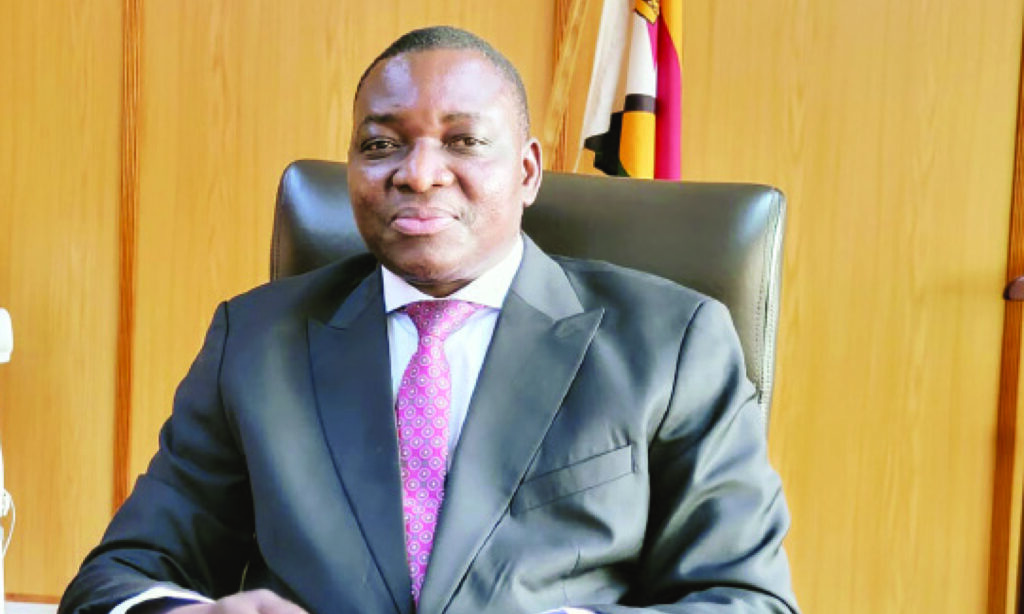
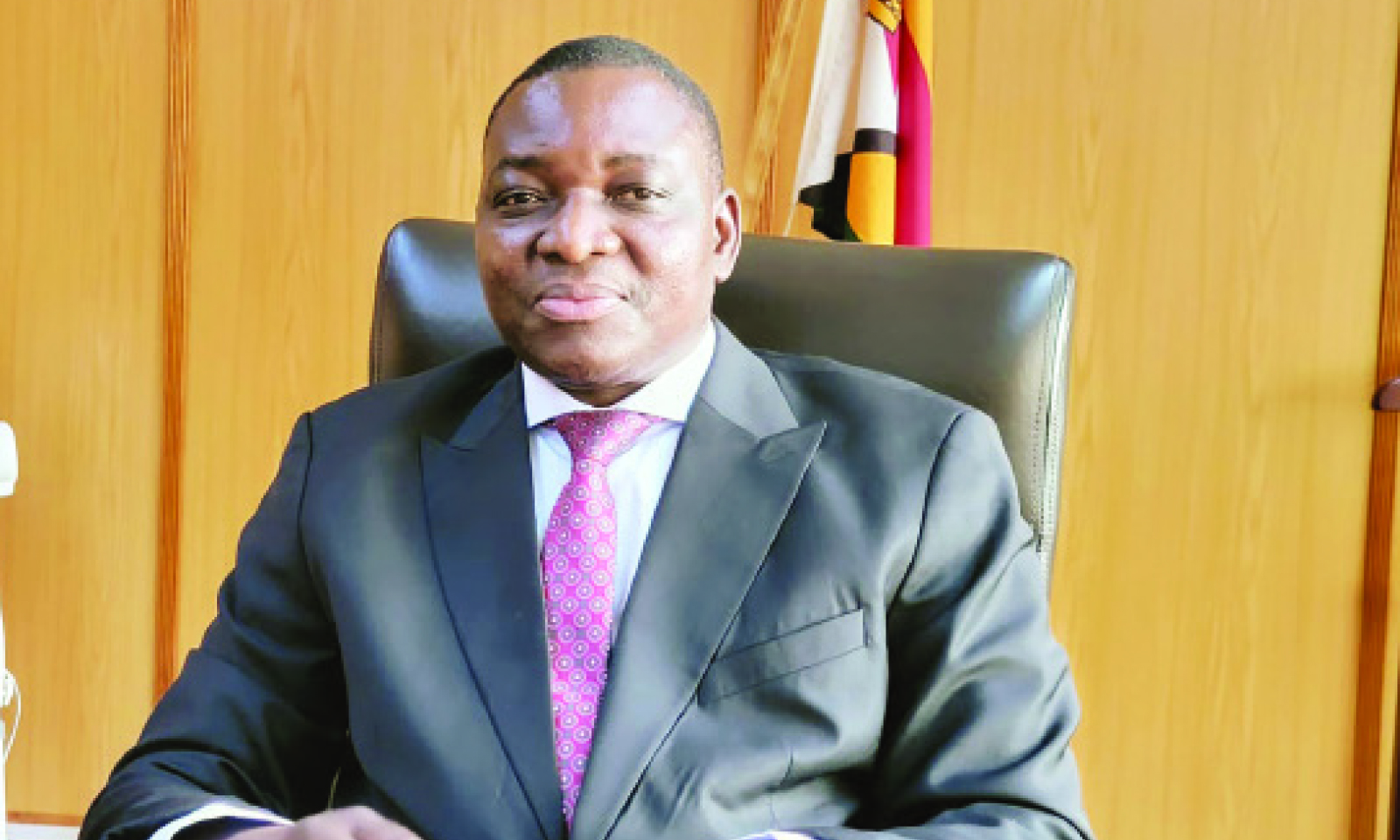
Speaking with this publication, Zimbabwe Union of Journalists (ZUJ) President, George Maponga, echoed that the welfare of journalists is no longer just a labour issue, but a national concern that directly affects the flow of credible information.
“A journalist who is poorly paid and working under difficult conditions cannot be expected to fully uphold the responsibility of informing the nation. The fourth estate must be respected, supported, and protected if it is to play its role effectively,” said Maponga.
Maponga also added that some of the journalists in Zimbabwe are earning “peanuts,” with some taking home as little as US$50 per month, a situation he described as unsustainable for an industry tasked with holding power to account.
He warned that the continued erosion of journalists’ welfare is weakening the media’s watchdog role and ultimately depriving citizens of reliable, balanced, and investigative reporting.
Beyond economic hardships, Maponga raised alarm over what he described as the criminalisation of journalism through arrests and legal pressure.
“Journalism is not a crime and should not be criminalized, and when journalists are arrested for doing their work, it sends a chilling effect across the entire media landscape,” said Maponga.
Recent cases have seen Gideon Madzikatidze detained under the Cyber and Data Protection Act over a bribery exposé, Blessed Mhlanga arrested under the Public Order and Security Act (POSA) after interviewing a government critic, and Faith Zaba charged under the Access to Information and Protection of Privacy Act (AIPPA) for a satirical article.
He stressed that respect for the fourth estate must go beyond rhetoric, calling for improved salaries, safer working conditions, and broader investment in the media sector, particularly through opening up the broadcasting space to create jobs and competition.
Media Institute of Southern Africa (MISA) Zimbabwe chairperson, Passmore Kuzipa, echoed similar concerns, saying that press freedom is central to national development and peace.
“A free, independent, accountable and viable media is key to defending human rights, peace and development, urging authorities to reform restrictive laws and guarantee journalists’ safety,” Kuzipa said in a statement.
Kuzipa also warned that arbitrary arrests, digital threats, and policy inconsistencies continue to undermine progress, despite the existence of constitutional provisions guaranteeing freedom of expression and access to information.
He added that in an era shaped by artificial intelligence and digital transformation, safeguarding press freedom is more urgent than ever to protect the integrity of information systems.
The Minister of Information, Publicity and Broadcasting Services, Dr Zhemu Soda, also released a statement saying that Zimbabwe has made significant strides in reforming the media sector, including expanding access to information and licensing new broadcasters.
“Press freedom should not be a weapon to divide but a bridge to connect communities and build a strong national story, while also highlighting efforts to promote media literacy to combat misinformation,” Soda said.
However, for many in the profession, the reality remains that without addressing the welfare of journalists, such progress risks being undermined.
As Zimbabwe reflects on press freedom, the message from the newsroom is clear: protecting journalists is not just about defending rights, but about securing the public’s right to truthful, credible, and independent information.
Masvingo Media Centre, Programmes Director, Godfrey Mtimba, underscored the need for a free press to hold leaders to account and steer development.
“On World Press Freedom Day, Masvingo Media Centre (MMC) stands with journalists and media workers who courageously report truth to power. Freedom of expression is essential for democracy and development. Let’s advocate for press freedom and journalists’ rights, “he said.
Underpayment, arrests, and harassment of journalists in the country undermine press freedom in several ways, including Intimidation and fear of reprisal, silencing journalists, and limiting critical reporting.
Underpayment forces journalists to prioritize survival over investigative journalism, while harassment and arrests lead to cautious reporting, avoiding sensitive topics (self-censorship).
Also, limited access may prevent journalists from covering key stories or events, depriving the public of critical information, while erosion of trust through attacks on journalists undermines public trust in the media.
This creates a challenging environment for press freedom, hindering transparency and accountability