
Tiyani Hahlani
Centre news Hub
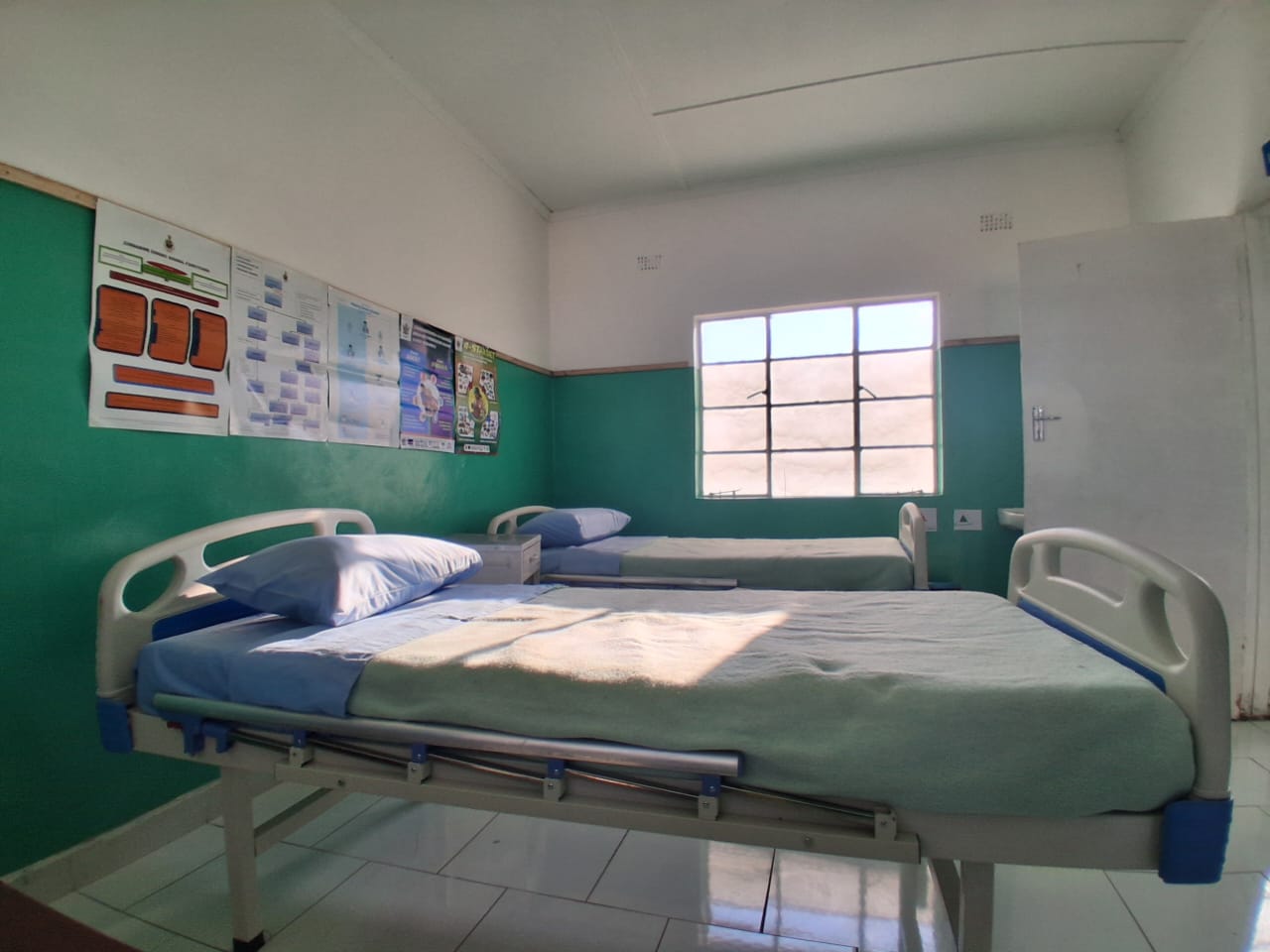
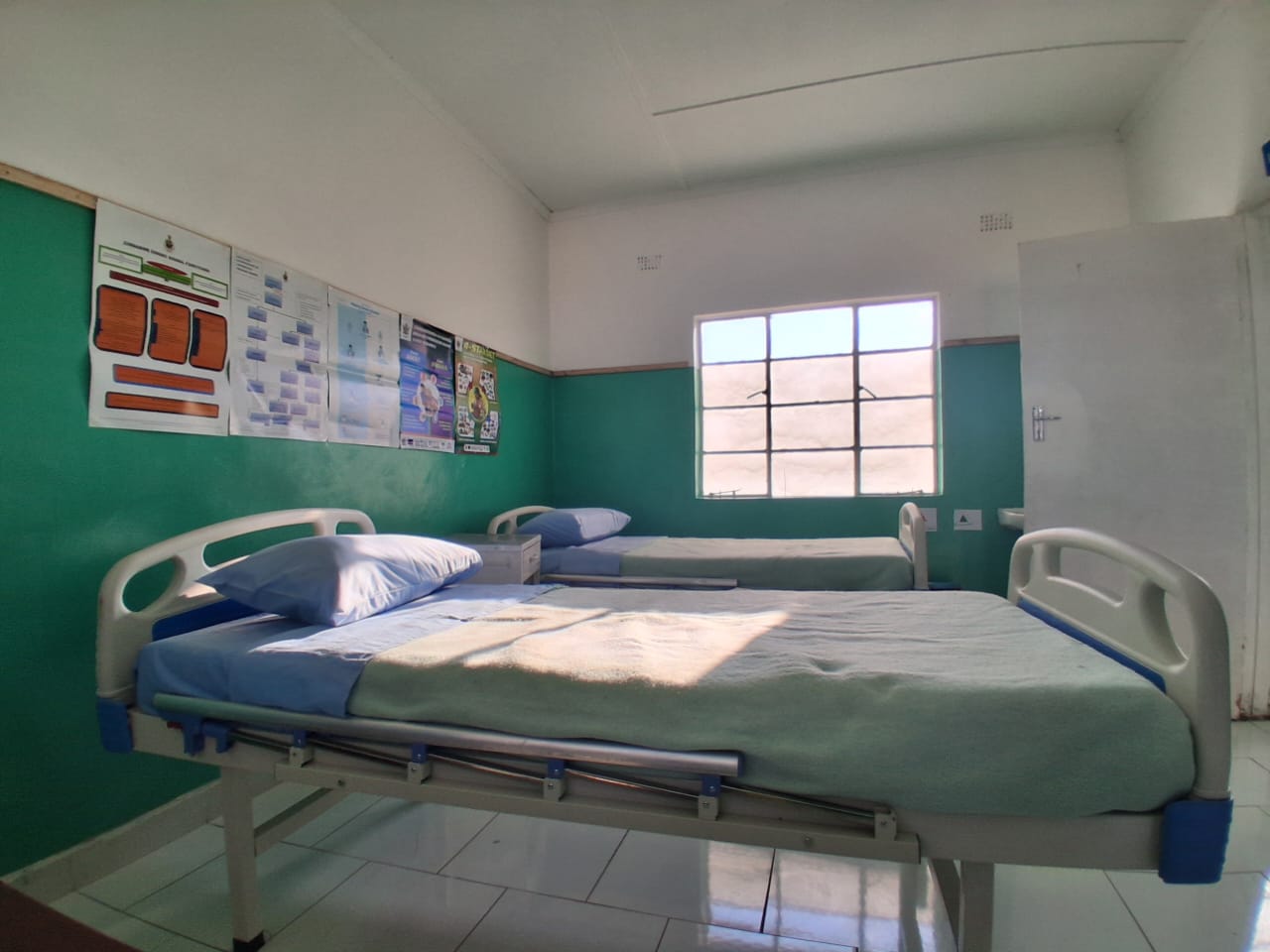
Harare-At a public hospital ward, a nurse moves from bed to bed, working against time and shortages of basic equipment, necessities, and fellow human capital. There are no guarantees, only improvisation. Across the country, in lecture rooms and corridors, students face a different kind of uncertainty, where the ability to learn is increasingly tied to the ability to pay.
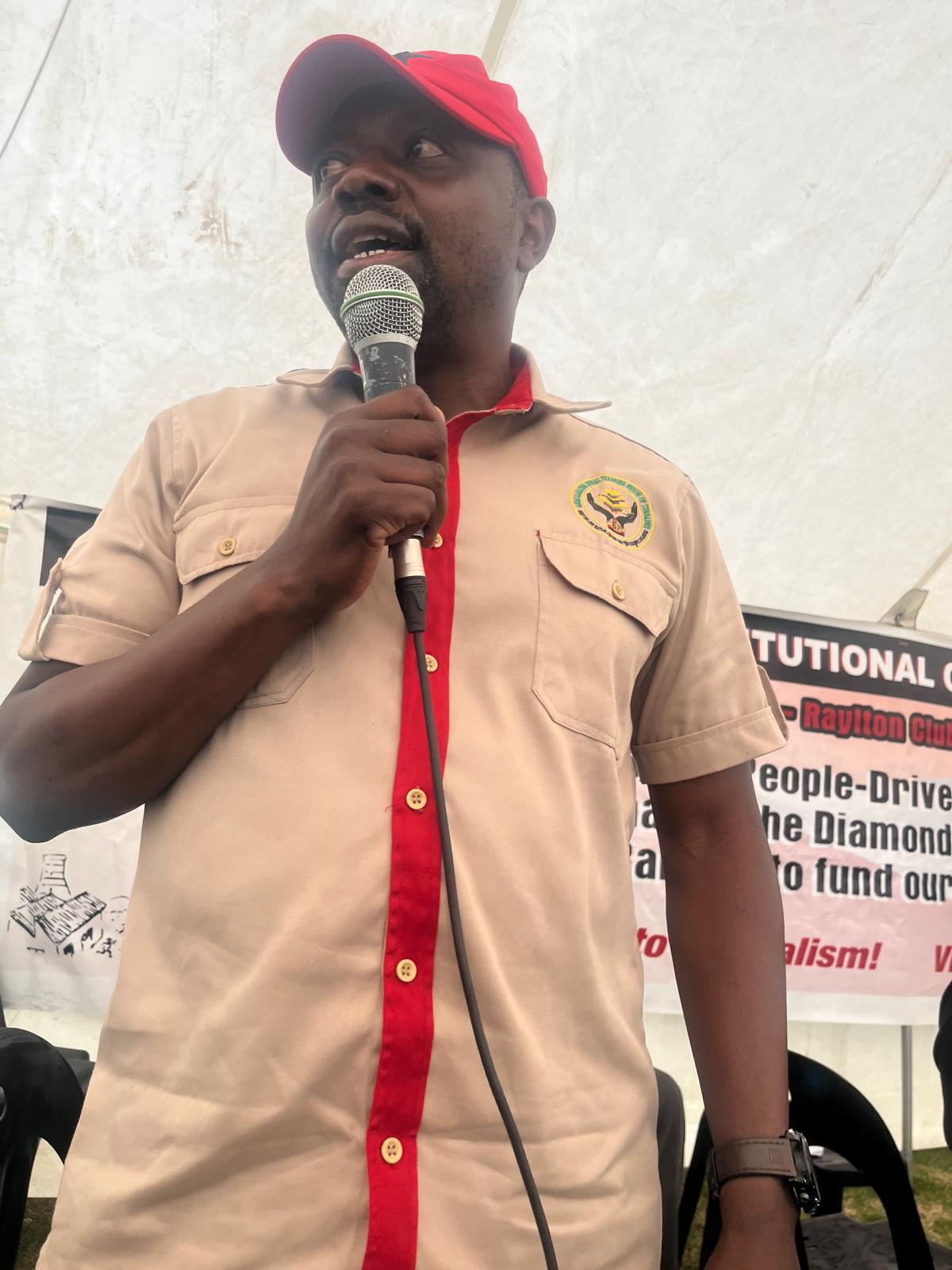
This is the backdrop against which Zimbabwe marked Workers’ Day, as Better Zimbabwe Agenda (BZA) national chairman Obert Masaraure delivered a stark assessment of the state of labour in the country.
“Today, the Zimbabwean worker is fighting for something even more fundamental, the right to exist as a human being rather than as a ‘natural resource’ for the elite,” Masaraure said in his May 1 statement.
His remarks come at a time when pressure is mounting across key sectors.
Masaraure framed the ongoing nurses’ strike as more than a workplace dispute.
“The ongoing nurses’ strike is not a mere labour issue; it is a humanitarian cry,” he said.
“When those entrusted with saving lives cannot afford the very healthcare they provide, the system is not just broken, it is predatory.”
Beyond hospitals, the strain extends into the education sector. Rising tuition fees and increasing student exclusions are steadily narrowing access to higher education, raising concerns about long-term social and economic consequences.
“Students are workers in transition, and any system that prices them out of education is actively manufacturing a generation condemned to precarity and exploitation,” Masaraure said.
He argued that these conditions are not isolated, but part of a broader system that undervalues labour while concentrating benefits elsewhere.
“The skin colour of the master may have changed, but the weight of the boot remains the same,” he said, invoking liberation-era warnings about exploitation.
Masaraure also linked the state of labour to governance, criticising Constitutional Amendment Bill No. 3, which he said risks weakening democratic accountability.
“Without democracy, there can be no workers’ justice. Without political voice, there can be no economic dignity,” he said.
In the health sector, the ongoing nurses’ strike has exposed deep cracks. Low wages, poor working conditions and shortages of basic supplies have left many healthcare workers stretched beyond their limits.
A nurse at a major public hospital, who spoke on condition of anonymity, described the situation as untenable.
“We are expected to save lives, but we don’t even have the basics. Sometimes you go through a whole shift without proper medication for patients,” she said.
“It’s frustrating because you know what should be done, but you simply can’t do it. We are not refusing to work, we are crying for help.”
For many young Zimbabweans, the path from classroom to stable employment has become increasingly uncertain, feeding into a growing informal economy that continues to absorb those left out of formal opportunities.
In Masvingo, the reality of that shift is visible on the streets.
A vendor operating in the city centre said survival has become a daily struggle marked by instability and fear.
“Every day is a hustle. You can wake up and try to sell, but you don’t know if you will make anything.
“Sometimes municipal police chase us away or take our goods. We are just trying to survive, but it feels like we are treated like criminals,” he said.
The informal sector, now a critical pillar of Zimbabwe’s economy, remains largely unprotected, with workers navigating both economic hardship and regulatory pressure.
At the centre of Masaraure’s proposal is the “V.I.V.I.D.” framework, which calls for value chain justice, stronger state capacity, industrialisation, and support for informal workers and guaranteed decent earnings.
While such proposals add to ongoing policy debates, the lived experiences of workers suggest a more immediate concern: survival.
From hospital wards to lecture rooms, and onto the streets, the pressures facing Zimbabwe’s workforce are increasingly interconnected, pointing to a system under strain.
As Workers’ Day passes, the question lingers not just about reform, but about recognition: whether those who keep the country functioning can themselves live and work with dignity.