
Tiyani Hahlani
Centre News Hub
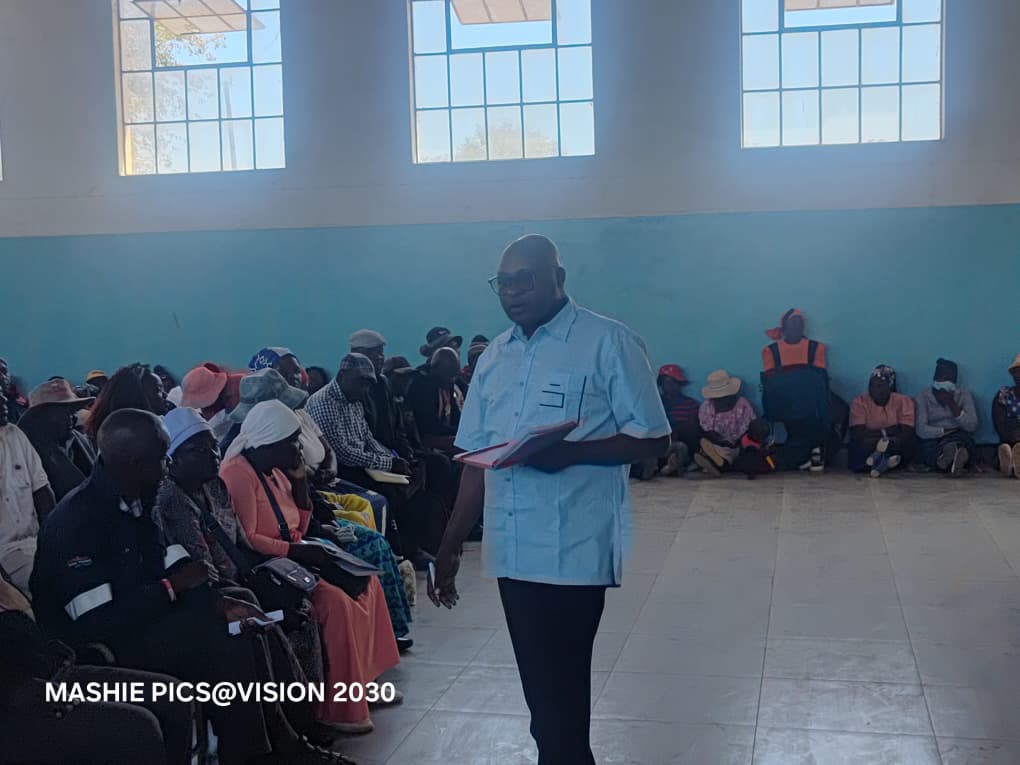
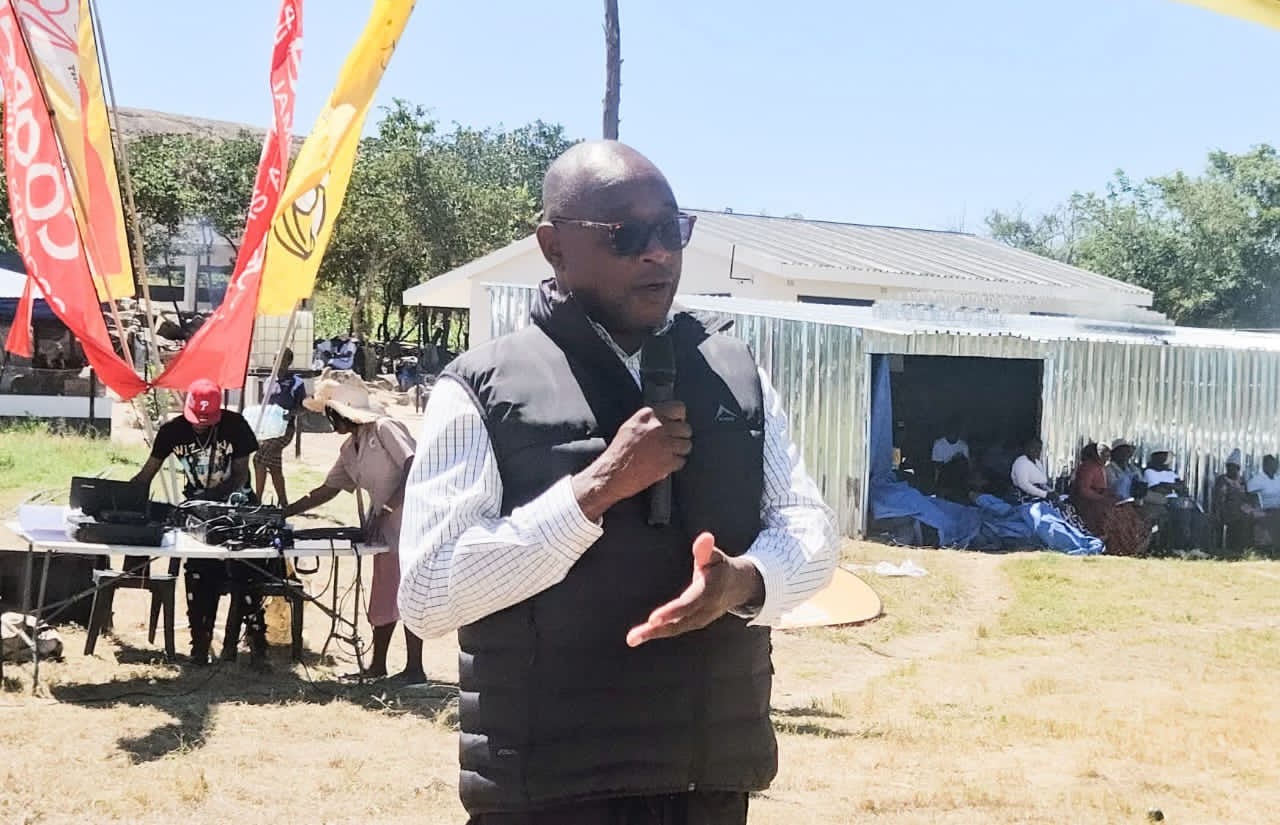
Gutu-Efforts to unlock value addition from Masvingo’s vast livestock resources took center stage at a beef field day held at Sonke Farm in Zvavahera ward 9 in Gutu district, where farmers, policymakers, and industry experts converged to witness practical models aimed at transforming the province’s cattle sector into viable profits to boost the local economy.
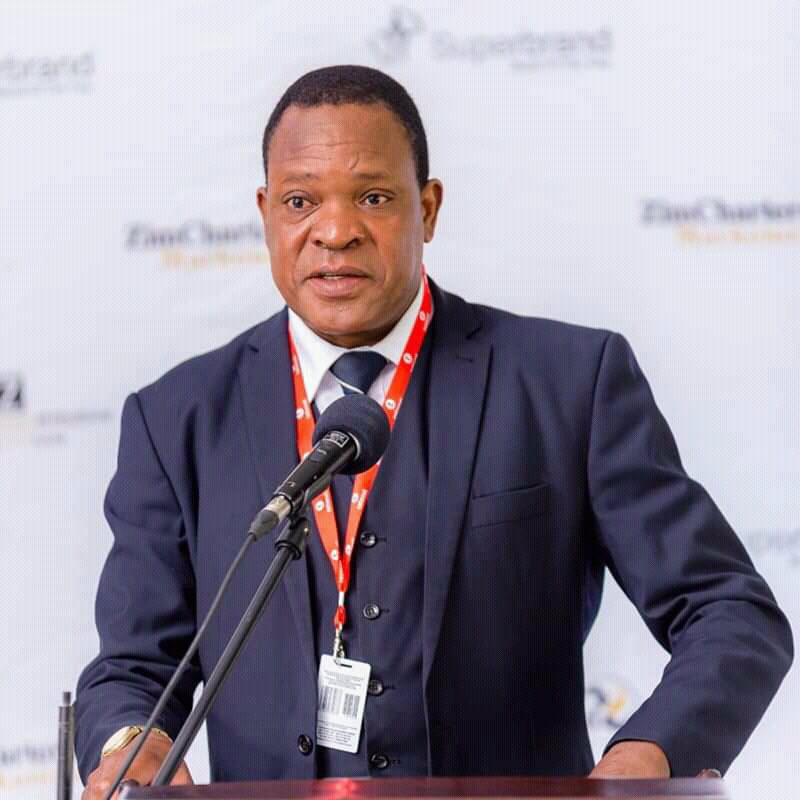
Addressing stakeholders during the field day, Deputy Minister of Lands, Agriculture, Fisheries, Water and Rural Industrialisation, Davis Marapira, said the focus must shift from merely owning cattle to deriving maximum economic benefit from them.

“We must move from subsistence livestock production to a market-oriented approach where value addition is at the center.
“It is not about the numbers alone, but about the quality, efficiency and productivity of our herds,” he said
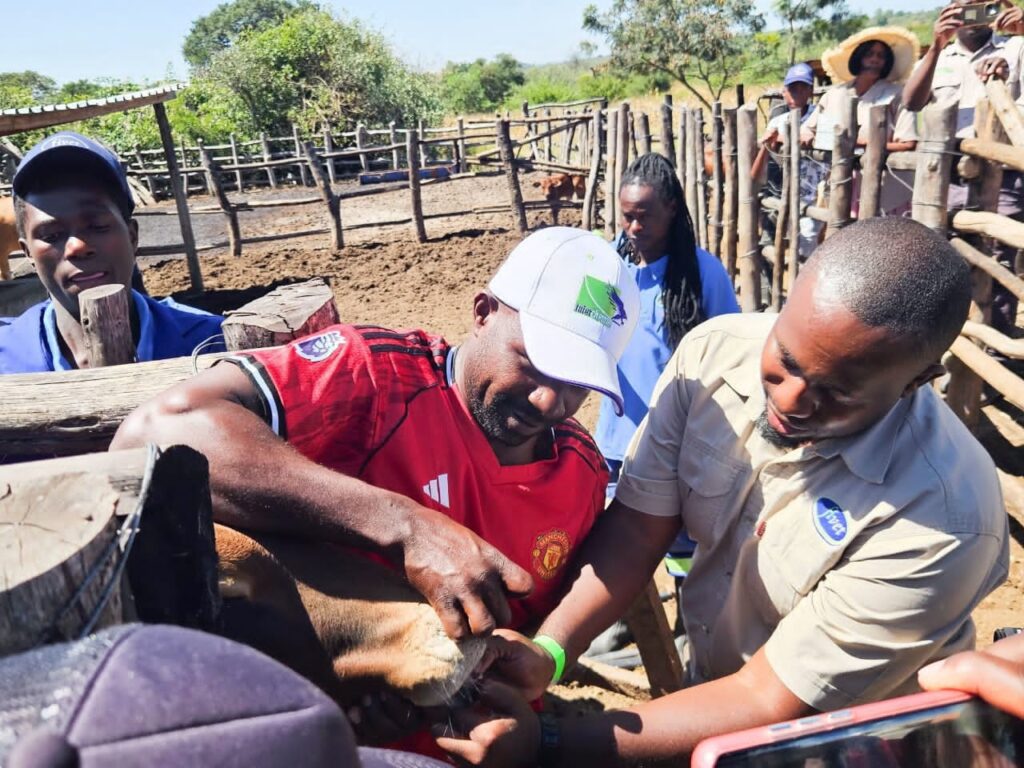
The event, held in partnership with the Zimbabwe Beef Producers Society, showcased modern livestock management practices, with particular emphasis on pen fattening and on-farm field formulation as key drivers of value addition.
Masvingo province, which boasts of a herd of over 1 002 632 cattle, remains one of the country’s key livestock hubs.
The herd comprises 42 993 bulls, 401 648 cows, 203 676 heifers, 218 017 oxen and steers, and 139 298 calves—figures that highlight both the scale of the resource and the need to improve productivity and value extraction.
Director of Livestock and Fisheries Production in the Ministry, Milton Tinashe Makumbe, said the priority was to unlock value within the existing livestock sector by improving efficiency at the farm level.
“As a sector, we are encouraging farmers to focus on productive animals and to gradually dispose of those that are not contributing to the herd.
“Keeping unproductive livestock puts unnecessary pressure on feed resources, especially in drought-prone areas like Masvingo,” he said.
He also added that strategic culling, proper breeding and improved feeding systems would go a long way in ensuring that farmers derive meaningful returns from their livestock.
“At the end of the day, it is about quality over quantity. Farmers must begin to see livestock as a business where every animal must justify its place in the herd,” Makumbe said.
At Sonke Farm, these principles are already being put into practice.
Sonke Farm Manager Gamaliel Makuvara said the farm has become a center of excellence for both livestock production and community empowerment.
“We are offering free training programmes to youths below the age of 35, where they are learning practical skills in livestock management, feeding systems, and general animal husbandry,” he said.
“Our goal is to equip young people with knowledge that they can use to start their own projects or improve productivity at the household level.”
Makuvara said the farm is also playing a key role in supporting the surrounding community through animal health services.
“We assist local farmers with vaccination programmes, working with our veterinary officer to ensure that livestock in the community is protected from diseases,” he said.
In terms of feeding systems, Makuvara also highlighted the farm’s adoption of on-farm feed formulation, a method that has significantly reduced production costs.
“We do not rely on buying feed. We produce our own using locally available materials, which allows us to control quality while keeping costs low,” he said.
Beyond livestock, the farm has diversified into poultry production, further demonstrating the potential of value addition at the grassroots level.
“We also run a poultry project with about 2 000 birds, and we are currently producing more than 30 crates of eggs per day, as this shows that value addition is not only possible, but practical even in communal areas,” Makuvara said.
The field day also highlighted the broader role of value addition in driving rural industrialisation, in line with the country’s Vision 2030 targets.
For many farmers in the area, the initiatives being implemented at Sonke Farm are already making a difference.
“This initiative is helping improve herd health and productivity in our community as we are learning new ways of doing things, and we are seeing results,” said one farmer.
As the country continues to pursue value addition across agricultural sectors, Sonke Farm stands as a practical example of how innovation at farm level can contribute to broader economic transformation.
The field day underscored the importance of bridging the gap between policy and practice, demonstrating that with the right knowledge, systems and support, Zimbabwe’s livestock sector can move beyond numbers to meaningful productivity and growth.