
Trust Rukwava
Centre News Sport
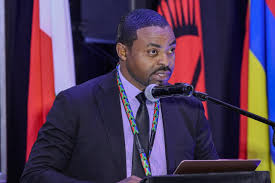
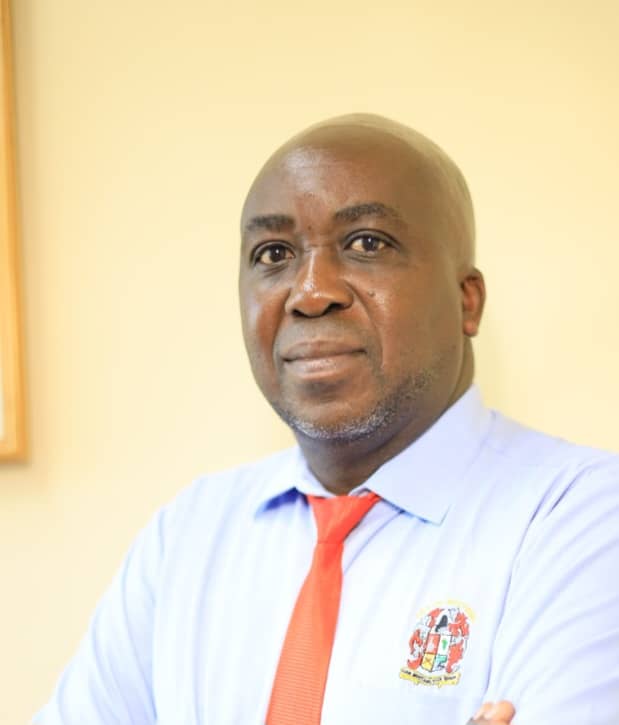
Seasoned administrator, Simbarashe Mandishona, is one of the top contenders for the ZIFA Eastern Region Executive Board Member posts after he was successfully nominated by the national Ethics Committee.
Mandishona will battle it out in a five horse race with four others in a contest where only four candidates with the most votes will sit in the board in elections slated for 6 December at a venue to be confirmed in Masvingo City.
The Centre News Sports Hub, reporter, Trust Rukwava (TR) caught up with Simbarashe Mandishona (SM) who shared his ambitions for the regional soccer body.
Below are excerpts of the interview.
TR: What motivated you to throw the hat in the ring?
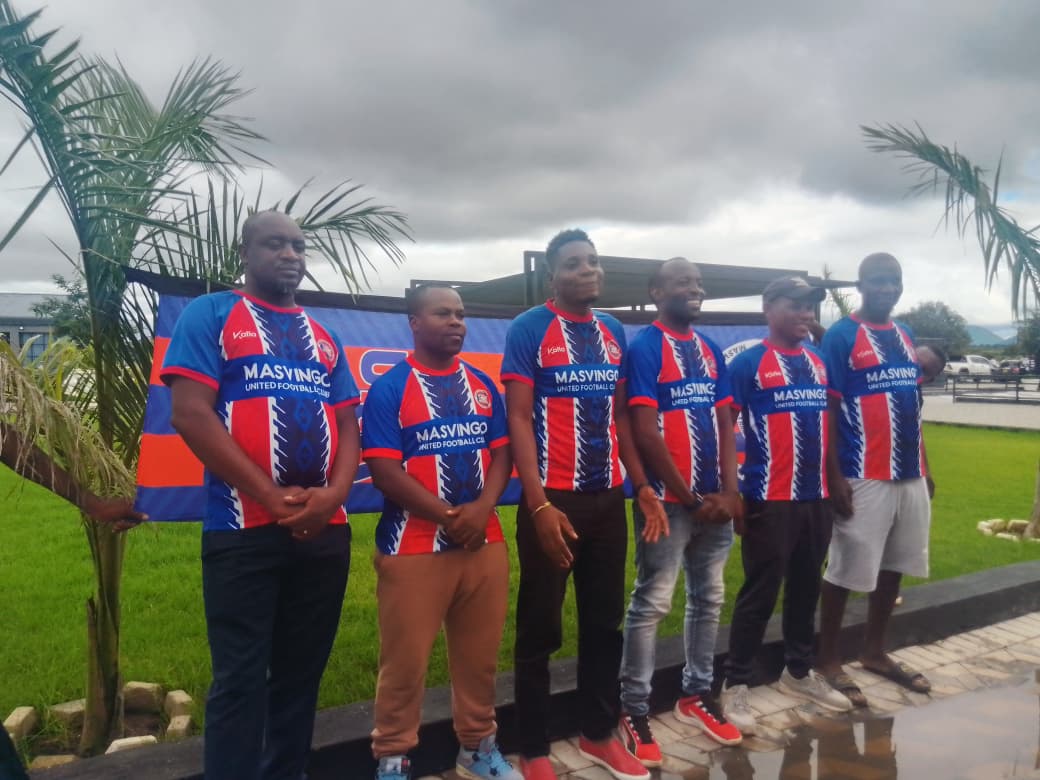
SM: My motivation stems from a deep commitment to football development in our region and over two decades of experience in the sport’s administration. Having witnessed both the potential and challenges facing Eastern Region football, I believe this is the right time to contribute at a higher level. My extensive involvement with Masvingo United has given me valuable insights into the grassroots realities of Division One football, and I am convinced that with proper leadership and strategic vision, we can transform our region into a competitive force in Zimbabwean football.
I am particularly motivated by the need to see clubs being run professionally so that they can attract corporate sponsorship. Too often, our clubs struggle financially because they lack clear systems and structures that would make them attractive to potential sponsors. Corporate partners want to invest in organizations that demonstrate professionalism, transparency, and sustainability. By establishing these frameworks across our region, we can unlock significant funding opportunities that will elevate the standard of football we deliver. I am driven by the desire to see our local talent flourish, our clubs operate more professionally, and our community take pride in the football we produce.
TR: What are the major points of your campaign manifesto which can lure voters?
SM: My manifesto is built on four key pillars: transparency and accountability in administration, sustainable club development, youth and women’s football advancement and stakeholder engagement. Specifically, I propose establishing clear financial management systems with regular reporting to member clubs, creating a regional club support program that provides training on governance and sustainability, implementing a structured junior development pathway with inter-district competitions, and fostering partnerships with local authorities and businesses for resource mobilization. I also advocate for regular consultative meetings with club executives to ensure decisions reflect the genuine needs of our football community rather than top-down directives.
TR: The Eastern Region has faced mixed fortunes and challenges amid accusations of administrative shortcomings. Are there any changes you think you may bring to contribute and uplift the administration of Division One football in the region?
SM: I acknowledge these challenges and believe they present an opportunity for meaningful reform. My approach would focus on three critical areas: First, institutionalizing transparent processes in fixture scheduling, disciplinary matters, and financial management, with clear communication channels to all stakeholders. Second, establishing proper documentation and record-keeping systems to ensure continuity and accountability. Third, creating a responsive administration that actively supports clubs rather than merely regulating them—this includes providing capacity-building workshops, facilitating access to resources and ensuring timely resolution of disputes. My experience in local government administration has equipped me with the necessary and relevant skills to implement systems that promote efficiency, transparency, and stakeholder confidence.
TR: The region has not been doing well in developing junior soccer at grassroots level, with no junior leagues or notable academies. Any plans of bringing change to that?
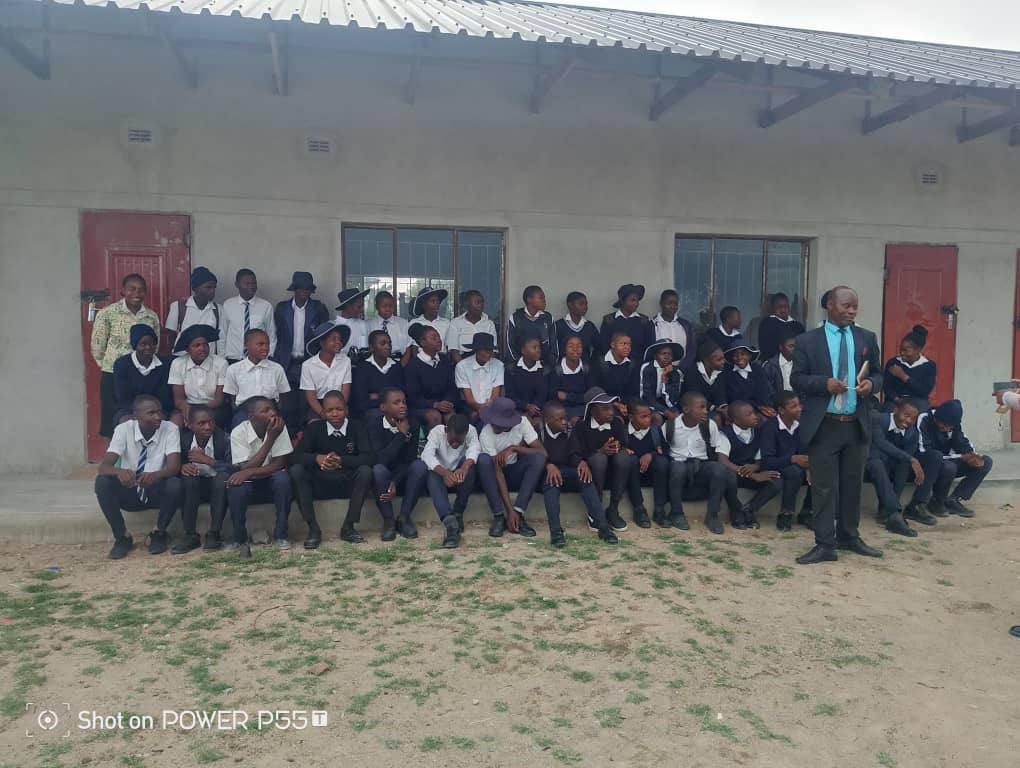
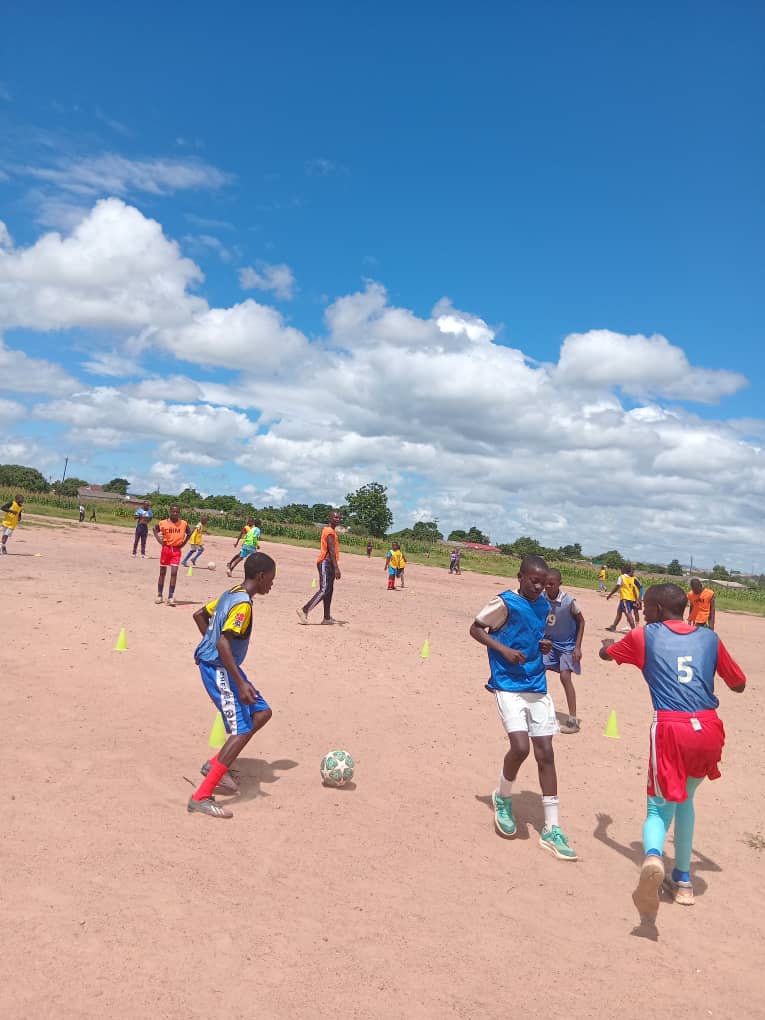
SM: This is indeed a critical gap that requires urgent attention. My plan involves creating a structured junior football framework starting with establishing district-level youth leagues for under-13, under-15, and under-17 age groups. I would work with local authorities, schools, and communities to identify facilities and organize competitions during school holidays. Additionally, I propose developing a regional talent identification program where standout players receive specialized coaching through periodic training camps. To address the absence of academies, I would encourage clubs to establish youth development structures by providing them with coaching resources and technical support. I also envision partnering with provincial education authorities to integrate football development programs into the school sports curriculum, ensuring we catch talent early and nurture it properly.
TR: Women’s football at all levels is docile in the region. What will be your contribution to revive it?
SM: Women’s football represents untapped potential in our region, and its revival requires deliberate, sustained effort. I propose launching a regional women’s football league starting with a modest number of teams and gradually expanding as interest grows. To build participation, I would organize community awareness campaigns highlighting the benefits of women’s involvement in sport and work with schools to establish girls’ football programs. Resource mobilization will be crucial—I intend to seek partnerships with organizations supporting women’s empowerment and sports development to secure funding for equipment, facilities, and competitions. Furthermore, I would advocate for women’s representation in football administration and ensure that gender equity considerations are embedded in all regional football policies and programs.
TR: Can you tell us your brief history and experience in soccer administration that you have led before, and what makes you love the game? Were you a soccer player at one point, if so where, when, and with which team?
SM: My journey in football spans over thirty years, beginning as a passionate supporter and recreational player in local community teams during my youth. I am a devoted Dynamos supporter, and my involvement with the Glamour Boys dates back to the exciting era of Japa Japa and Raymond Majongwe, shaped my deep appreciation for top-tier Zimbabwean football. Growing up, I had the privilege of being around exceptional footballing talent, including the likes of Tuya Mutehwa, which gave me a rich background and understanding of the game from an early age.
While I did not pursue professional playing, my love for the game drove me into administration where I could make a broader impact. During my time in Marondera, I was heavily involved with teams such as Super Eagles and Douglas Warriors, both of which achieved promotion into the Premier League—an accomplishment that demonstrated my ability to contribute meaningfully to club success at competitive levels.
I have served in various capacities within Masvingo United, progressively taking on greater responsibilities until my current role as Secretary General. In this position, I have managed club operations, coordinated with league officials, handled player registrations and transfers, and represented our club at regional meetings. This hands-on experience has given me comprehensive understanding of the challenges facing Division One clubs—from financial constraints to organizational capacity gaps.
What makes me love football is its power to unite communities, develop character in young people, and provide opportunities for social mobility. Football is more than a game; it is a vehicle for community development and youth empowerment, and my extensive involvement across different levels has only deepened this conviction.
TR: What is your current occupation? Are you in administration? If yes, how will this help you in carrying out your duties if elected into office?
SM: I currently serve as Director of Housing and Social Services for the City of Masvingo, a position that places me at the intersection of public administration, community engagement, and stakeholder management. This role has equipped me with essential skills directly transferable to football administration: strategic planning and policy development, budget management and financial oversight, coordination of multiple stakeholders with diverse interests, conflict resolution and mediation, and compliance with regulatory frameworks. My experience managing large-scale community programs has taught me the importance of transparency, accountability, and inclusive decision-making—principles I would bring to the Eastern Region board. Furthermore, my position has provided me with extensive networks across government, business, and civil society, which I can leverage to secure partnerships and resources for regional football development. I understand how institutions function effectively, and I am committed to applying these professional standards to elevate football administration in our region.