
By Ngoni P Jemwa
In several communities particularly in urban areas, a new wave of schools seems to be springing up overnight. A row of houses may hide it, revealing only its converted living rooms that it operates from, or perhaps it runs out of a church hall with nice signs taped outside for all to see. For many parents, these small private education centers answer a very immediate and pressing question: Where can my child be taught in safety and regularity away from the crowding and turmoil which has taken over the public schools?
Demand for these schools is great, and the purpose of their foundation may be real. However, my observation, in a quick glance that small private school shares in proliferation raises a concern particularly those in the residential area and also among the makeshift locations. It is very sad to note that by the time kids can explain what they lack, it has already set in.
There are major problems associated with this increasing trend that require greater attention on the part of both the community and its regulators. A common feature in these schools is mixed-grade teaching sometimes by compulsion, other times as a way of selling it under the tag of “multi-level learning.” While the concept of multi-grade classrooms can be made to work in theory, it requires very careful planning, trained teachers, and structured materials none of which are available to most small centers. Instead, what parents find is usually one teacher struggling to teach classes with so many different age groups (for example 5-year-olds and 9-year-olds in one room), different curricula (Grade 1 material and Grade 3 material being covered at the same time), and different learning needs (both fast learners and those needing extra support). The outcome that this scenario logically leads to is that some children remain idle, others fall behind without notice, and teaching becomes an exhausting juggling act. Parents might think that small classes always mean personal care but the old setup of varied age groups showed less focus brought more confusion and led to mixed results in learning.
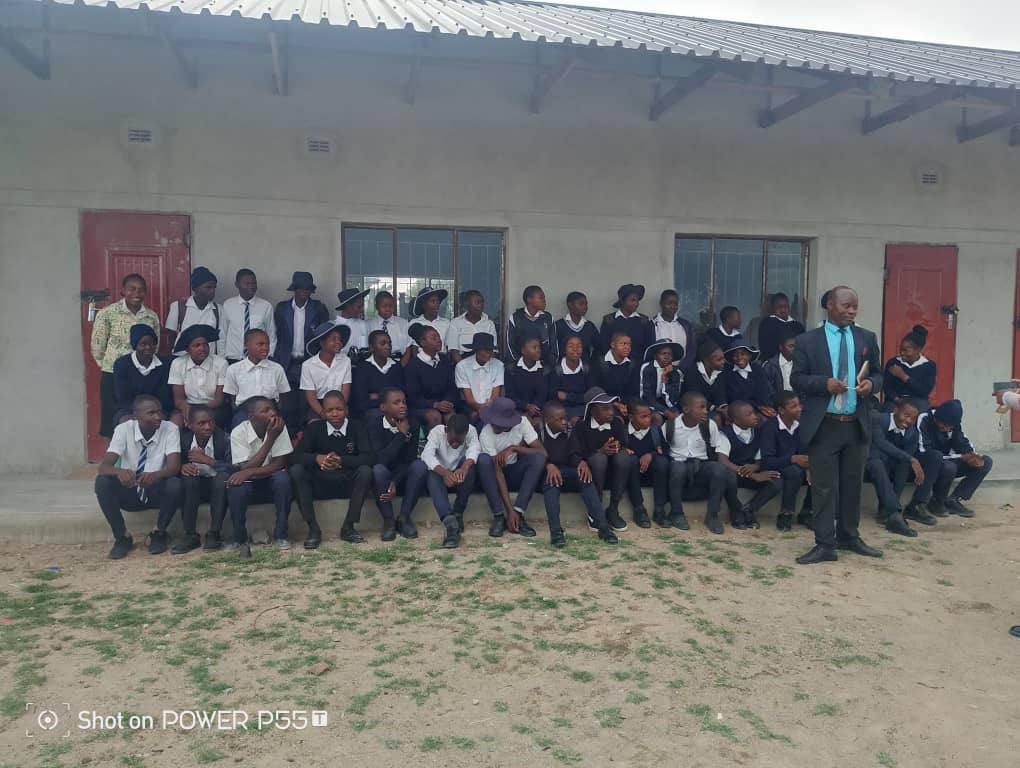
The physical setup of these makeshift schools is also inadequate. It takes more than a teacher and chalk to deliver lessons, especially among young learners who should be taught writing skills, the skill of sitting on chairs, and concentration for long periods. In many of these makeshift schools, children are found seated on plastic chairs without the use of desks, sitting on benches meant for adults while writing on their laps or an uneven surface. The cramped room has no proper lighting and ventilation with space being provided for movement and play or practical activities. Comfort brings about postural conditions that will affect the development of handwriting and attention span in classroom behavior; learning in a makeshift environment will not help children believe that education should be taken seriously.
A major risk in these schools is the use of untrained teachers. They may be retired workers; they may be fresh graduates; they may even be members from the community who have love for children, but nonetheless, teaching requires a degree of professionalism with specific skills and knowledge. Without training, teachers might not be adept in many crucial aspects of pedagogy such as lesson preparation, different stages of child development, classroom management, assessment strategies, and recognition of learning challenges. Over-reliance on untrained instructors results in an emphasis on rote memorization and disruptive management techniques as well as hasty lessons that do not ascertain whether students have understood or not. Sadly too, children for whom early intervention regarding problems in areas such as speech delays, reading difficulties or attention challenges go unidentified and consequently unsupported. A friendly attitude, though welcome is not a substitute for professionalism in teaching. The effects of this inadequacy show up later in the reading ability of children as well as their writing skills and even simple numeracy.
Another concern is the inadequacy of proper learning materials, most particularly textbooks. Textbooks are not mere printed pages; they deliver structure, clear skill articulation, and standardized content to the curricula of many small private centers where children learn from outdated notes and inconsistent worksheets or copying from chalkboards for long hours. In the absence of books to take home for practice and standardized tests, it cannot be ensured that children have mastered work ostensibly covered. The parents go on feeling satisfied until their child tries to move into a formal school setup and fails the placement tests or falls short of grade-level expectations.
Oversight and accountability is the silent crisis. Most of these schools work in informality and therefore easily slip through the existing inspections, hence not being regulated. Problems, therefore, take a very long time to stick around before any adjustment is made. Many basic questions that parents ask go unanswered: Is the school registered? Are there safety measures in place? Are teachers qualified? What curriculum is being followed? How are students assessed and promoted? In the absence of oversight, control, or management, parents resort to word-of-mouth news and some appearances – neatly dressed children, quiet classroom, or confident headteacher – none of which has ever been found to relate to quality.
It is important to note that families do not choose these schools out of apathy; rather, they are often making tough decisions. Overcrowded public schools, paid extra lessons, long waiting lists at good institutions, high fees at established private schools, and holiday flexibility are common reasons why people pick these establishments. These minor private colleges flourish as they provide a crucial service by filling a gap in the education system. However urgently it must be addressed whether they are doing this responsibly or just cashing in on the situation.
The best way to avoid these challenges is for parents to constantly ask and know the status of the schools their children are attending. They should ask about registration, review the school curriculum and learning materials, and check on teacher qualifications, as well as student exercise books against what work should be done at a particular grade level. Community and faith-based organizations have a place for positive interventions by setting some minimum standards before any “school” can operate on their premises so that a cost-effective venue cannot become the loophole for substandard education.
They should urge the government to prioritize setting clear registration processes even for low-cost schools and regular inspections in residential areas. Minimum furniture, classroom space, and educational materials, and teacher qualifications should be part of the regulation. Public awareness campaigns add more empowerment to parents by giving them the knowledge that will help them make decisions on matters concerning the education of their children.
Small private schools are not inherently problematic. Many of them have taken root and grown to operate effectively, offering well-structured educational experiences where learning is real and for the benefit of the learner. However, where there is rapid unregulated growth of makeshift schools particularly those schools which combine grades without a plan and strategy, mixing inappropriate environments, using untrained teachers plus the right resources to teach there lies a quiet crisis. Kids might go to school every day, but the real issue is if they are truly gaining the knowledge that will help them succeed later on-or just being kept busy until the problems of real life finally catch up with them.
NGONI P JEMWA- A development practitioner, writes in his own capacity.