
Centre News Hub
Harare – Opposition legislator Gladys Hlatshwayo has slammed the privatisation and commodification of water by local authorities and central government through the rollout of pre-paid water meters, warning that the move will violate the right to water access for underprivileged and marginalised communities.
Local authorities, including the City of Harare, are installing pre-paid water meter systems for residents — a move condemned by human rights defenders as one that will restrict access and burden households with exorbitant costs for a basic necessity.
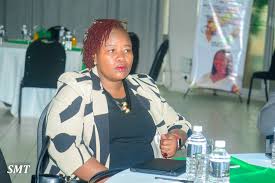
Speaking in Parliament during World Water Day on 22 March, Hlatshwayo decried the privatisation of water and emphasised that it is a fundamental human right that must not be treated as a tradable commodity.
“Mr. Speaker sir, the privatisation of water through the introduction of pre-paid meters is likely to widen social inequalities and severely affect underprivileged and marginalised sections of our communities, including women and girls. It will restrict access, burden citizens with exorbitant costs, and pose serious health risks,” she said.
She added that access to safe and potable water is a human right, and called on government to urgently address the issue.
“I therefore call upon the central government and local authorities to take all necessary measures to ensure the progressive realisation of the right to safe, clean water for all Zimbabweans, regardless of social and economic status,” she said.
Hlatshwayo also urged the executive to promote gender-responsive water policies and sustainable water management, stressing that access to clean water is central to gender equality. “Where water flows, equality grows,” she said.
She noted that over 2.1 billion people globally lack access to safe water, underscoring the urgent need to accelerate progress toward Sustainable Development Goal 6 on clean water and sanitation.
The legislator also highlighted the disproportionate burden placed on women and girls, who spend hours fetching water — exposing them to sexual harassment and safety risks, limiting educational opportunities, and affecting menstrual health and dignity.
Despite constitutional guarantees and international commitments, many Zimbabweans continue to face limited access to clean water, contributing to recurring outbreaks of waterborne diseases. Section 77 of Zimbabwe’s Constitution states that every person has a right to safe, clean and potable water, and that the State must take reasonable legislative and other measures to progressively realise this right.
Her remarks were welcomed by water and residents’ rights defenders opposed to pre-paid meters, who argue the devices violate basic human rights and impose undue financial hardship on residents.
The concerns come amid growing public anger, with residents in Westlea, Harare, recently protesting to their local authority over water bills of as much as US$180 per month following the installation of pre-paid meters in their area.