
News Editor
Center News Hub
BIKITA- A decade of struggle and a spark of opportunity have collided in Bikita, where young girls once teetering on the edge of school dropout and danger of HIV infections are finding a path to brighter futures.
Among them is Ethel Ndapona, 15 (not her real name in Gava community under Chief Mabika ward 1), who faced a childhood haunted by poverty, discrimination, and exploitation after her father’s death left her family struggling to keep her in school.
The harsh realities of life as a girl in her community, including the inability to afford basic needs such as sanitary pads and meals, pushed her toward a future she did not choose, to meet with sexual predators for her survival.
And yet, what began as a story of survival is increasingly becoming a story of resilience and transformation.
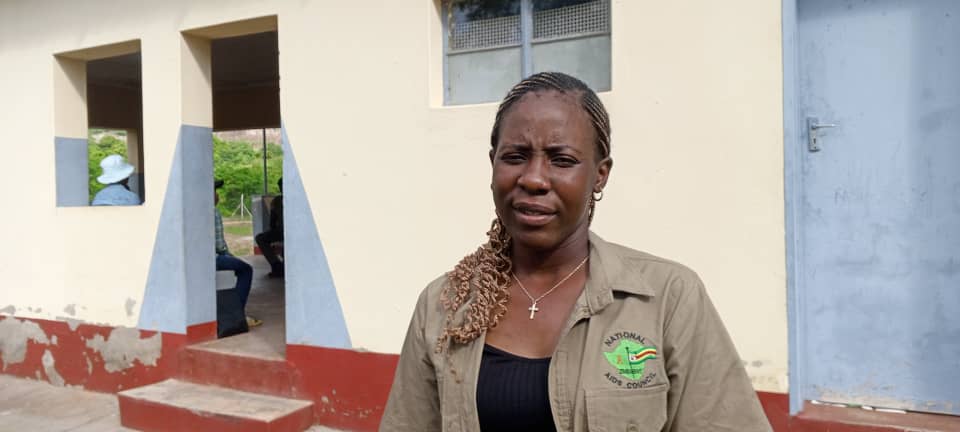
In Ward 1, Gava, and 30 B under Chief Mabika and Chief Marozva respectively, the National AIDS Council’s (NAC) Sister to Sister programme, together with the Dreams project, has begun to rewrite those narratives.
Since 2018, these initiatives targeted HIV hotspots with a mission, stop new HIV infections among sexually active adolescent girls and empower them to take charge of their health and futures.
The impact is now visible in Bikita’s classrooms and community life, where girls who once slipped through the cracks are re-entering schools and discovering new possibilities.
Ndapona is one of the program’s success stories.
After a year away from formal education, she has rejoined the education system, currently in Form 1.
Her nights of uncertainty fueled by poverty and sexual predatory advances have given way to a structured plan.
NAC covers her tuition, provides sanitary pads, uniforms, and school stationery.
For Ndapona, the future now looks brighter, and she speaks with a smile about the change she sees in herself and her community.
The program’s approach is twofold academic and economic empowerment, coupled with a robust health education.
Participants undergo at least six sessions per month with trained community mentors who teach behavioral change, how to access health services, and the importance of knowing one’s HIV status and practicing safe sex.
The aim is not only to prevent new infections but to foster a generation that makes informed choices about their bodies and futures.
Economic empowerment comes through practical projects that build financial independence.
Mentors have helped groups launch small ventures from selling indigenous fruits to goat-rearing programs that have grown into more substantial animal husbandry efforts.
As Tavengwa Makotore, a Sister to Sister mentor in Ward 1, described, the girls’ group started with modest means but now boasts 27 goats and is steering toward cattle rearing, signaling a shift from mere subsistence to sustainable livelihoods.
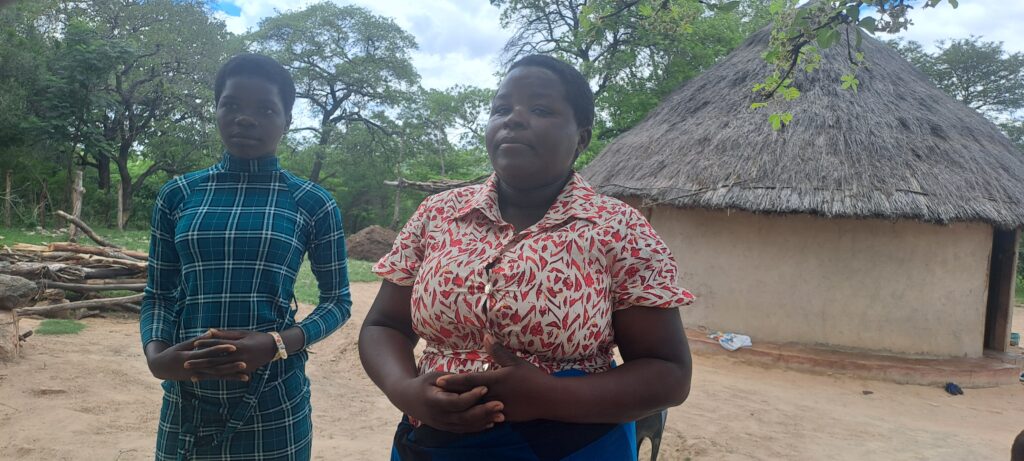
“Community leaders have noticed a positive shift in attitudes toward adolescent girls within the community.
“We started by picking wild fruits for resale, did paid menial jobs as a group and managed to raise enough money to buy goats,” she said.
Retina Majengwa, another mentor from Ward 30 B, said the program is transforming peer dynamics and safety.
“It teaches girls how to interact with peers, dress in a culturally respectful yet self-assured way, and most importantly, how to pursue safer sex practices and regular health screenings, including cervical cancer checks.
“The broader community now views Sister to Sister as a potential game changer, especially in areas where family structures have fractured,” she said.
NAC Bikita District Aids Coordinator, Tariro Gutu said the intervention is designed to be culturally sensitive, age-appropriate, and community-driven.
It targets sexually active girls from 15- 24 who are at risk of being infected.
“By combining education with practical support and economic opportunity, the initiative is reducing vulnerability and expanding horizons for many young women who once believed their options were limited to hardship leading to sexual exploitation hence they become at high risk of HIV infections,” she said
As Ndapona and her peers return to classrooms and explore new economic ventures, their stories illuminate a broader truth that when society invests in vulnerable girls, communities gain educated, healthier, and more empowered citizens.
The Sister to Sister program, launched in 2018, targets HIV hotspots in Bikita and focuses on behavior change, health care access, and reducing HIV risk among adolescent girls.
NAC funds student fees, provides sanitary products, uniforms, and school supplies to beneficiaries.
The program’s mentors work closely with the girls in community settings to build trust, skills, and sustainable income streams.