
Tiyani Hahlani
Centre News Hub
Vic Range- A youth-led clean-up campaign has exposed a deepening waste management crisis in Victoria Ranch, Masvingo, where illegal dumping at Jazire and Gwanoz business centers has turned public spaces into potential breeding grounds for diseases.
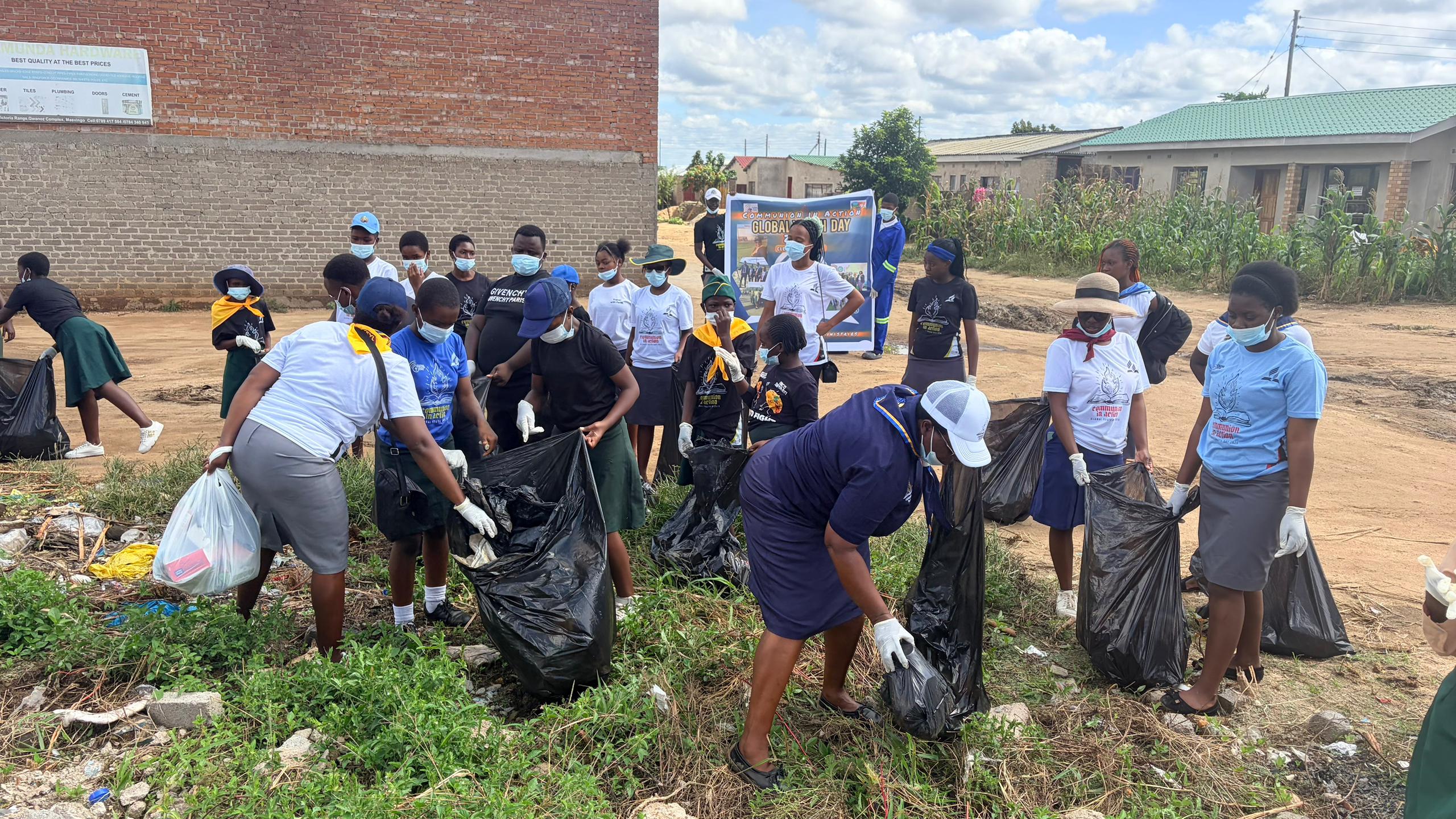
The campaign, held on March 22 to mark the Global Youth Day commemorated under the theme “Communion in Action” with 120 youths mobilised to clear hazardous waste.
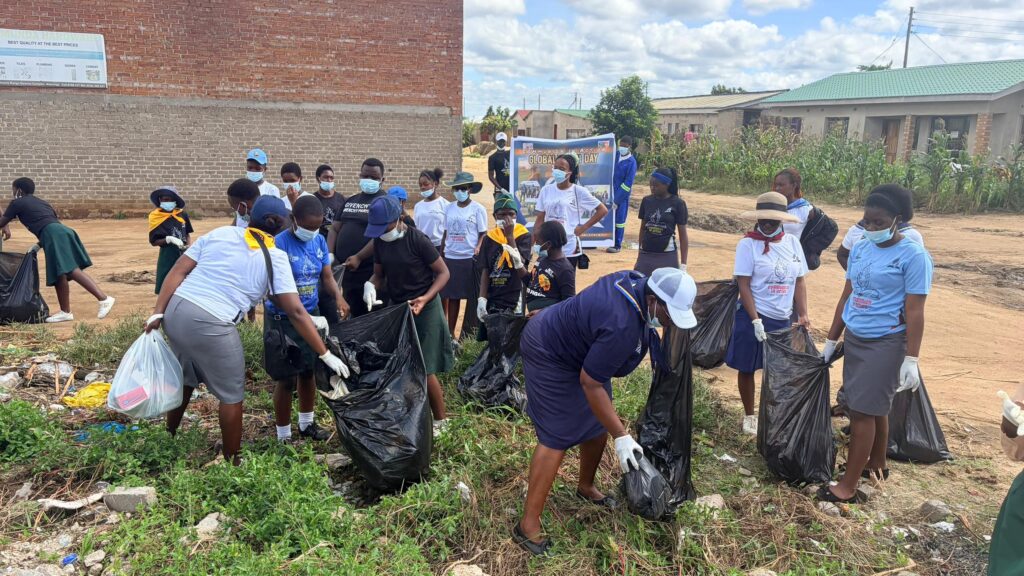
The waste ranged from diapers, glass bottles and electronic refuse exposed systemic gaps in refuse collection, lack of designated dumping sites and low community waste management awareness in the sprouting high density suburb.
The scale and nature of the waste dumped in open spaces raised alarm over potential outbreaks of hygiene-related diseases such as cholera and typhoid.
Residents and organisers of the clean-up campaign warned that continued illegal dumping poses a serious threat to both public health and the environment.
Speaking to Centre News, Seventh Day Adventist Church Youth leader, Rumbidzai Muvondo Mundondo, said the intervention was triggered by growing concern over deteriorating sanitation conditions in the community.
“We observed increasing waste accumulation in market places, road sides and public spaces. Some of the waste is hazardous, and this posed serious environmental and health risks,” she said.
The clean-up, spearheaded by the church’s youth ministry, brought together participants from different age groups, including Adventurers, Pathfinders, Ambassadors and Young Adults, in a coordinated effort that combined waste removal with community awareness.
The campaign targeted illegal dumping hotspots at Jazire and Gwanoz business centers, where uncollected waste had accumulated over time due to erratic refuse collection services and lack of proper disposal infrastructure.
Key stakeholders, including the Environmental Management Agencies (EMA) and Masvingo Rural District Council, supported the initiative by providing equipment and facilitating waste transportation, although logistical challenges constrained operations.
Beyond waste collection, the youths conducted awareness campaigns through public engagement strategies, including marching and direct interaction with vendors and residents to promote proper waste disposal and hygiene practices.
However, organizers noted that community participation remained uneven, with some residents initially reluctant to engage, highlighting persistent gaps in environmental awareness.
Mundondo said the initiative was rooted in the church’s belief in environmental stewardship and community service.
“Our faith compels us to care for the environment and serve our communities. This is our way of putting faith into action,” she said.
Despite the success of the campaign, stakeholders emphasised that sustainable solutions are needed to address the root causes of illegal dumping.
These include improving waste collection systems, establishing designated dumping sites, strengthening partnerships between local authorities and community groups, and enforcing environmental regulations.
The community has also proposed regular clean-up programmes and the introduction of recycling initiatives as part of long-term efforts to maintain a clean and healthy environment.