


Centre News Business Hub
Masvingo- In a nation where the dream of a safe, affordable home anchors many lives, Shineplus Holdings is raising the bar.
The land developer, already known for delivering shelter and stands to people from all walks of life, recently shared insights into its origins, growth, and ongoing commitment to democratize land ownership.
In a candid Question and Answer (Q&A) with Centre News Business Hub (CN), Shineplus Holdings (SP) laid out its journey from a bold idea to a wide-reaching property development conglomerate.
Below are the expects from the exclusive Interview with ShinePlus Chief Executive Officer Tonderai Nzuwa on behalf of the institution.
CN: Shineplus land developers have made a mark in delivering shelter and stands to people from all walks of life, including the poor and vulnerable in society. Can you give us a brief description of the organization, how it started, when and where it is operating around the country?
SP: Thank you for the opportunity. Shineplus Holdings was founded in 2010 with a clear and powerful vision: to democratize land ownership and provide quality, affordable shelter for Zimbabweans. What began as a dedicated mission has, over the past 14 years, evolved into a comprehensive property development conglomerate. We are proud to have grown our footprint significantly, with a focus on strategic development across the country. Our current operational hubs include Masvingo, Harare, Chiredzi, Chinhoyi, Gutu, Mwenezi, Bikita, Checheche, and Chivhu. Our growth is a testament to the trust we have built and our unwavering commitment to turning undeveloped land into thriving, serviced communities.
CN: What inspires Shineplus to serve these communities, and how have the responses been from those who benefit from its services?
SP: Our inspiration is twofold and deeply embedded in our core. Firstly, our mission is to “Shelter the Homeless and Satisfy All Stakeholders in the Housing Delivery System.” This is not just a slogan; it’s the driving force behind every project we undertake. Secondly, we are inspired by the tangible impact we see. To date, our various housing schemes have successfully delivered stands and homes to over 1,000 home seekers from all social and economic backgrounds. The response has been overwhelmingly positive. We measure our success not just in plots developed, but in the joy of a new homeowner receiving their title, the stability it brings to a family, and the multi-generational wealth we help create. Our commitment to client satisfaction and radical transparency ensures we don’t just make customers; we build advocates for our brand.
CN: How have your projects benefitted and changed the lives of the disadvantaged people and low-income earning workers in Masvingo province? Which projects do you have in this particular province?
SP: In Masvingo Province, our approach is intentionally designed to be inclusive. We recognize that a house is the most significant generational inheritance a family can have. By focusing on low-cost, high-quality products, we actively dismantle the barrier to entry for low-income earners. This strategy directly aligns with and supports the Government of Zimbabwe’s National Development Strategy 1 (NDS1) Housing Pillar, and we are proud to be a strategic partner in this national endeavour.
The benefit is profound: we are transforming lifelong tenants into proud homeowners, creating not just shelter, but equity and a foundation for future prosperity. Our active projects within Masvingo Province are located in Victoria Range (Masvingo), Chiredzi, Gutu, Bikita, and Mwenezi. Each of these developments is a carefully planned community, complete with essential infrastructure, changing the local landscape both physically and economically.
CN: Besides building shelters and developing stands, what other business ventures are you into?
SP: Shineplus Holdings has strategically evolved to become a fully-integrated player in the land and property ecosystem. We control the entire value chain to ensure quality, efficiency, and cost-effectiveness. Our diversified portfolio includes:
- Civil Engineering: Our in-house team handles all earthworks, road construction, and bulk infrastructure installation.
- Equipment Hiring: We own and operate a modern fleet of heavy machinery, which we also hire out to other vetted developers.
- Real Estate and Property Development: Beyond stand development, we are involved in constructing residential and commercial properties.
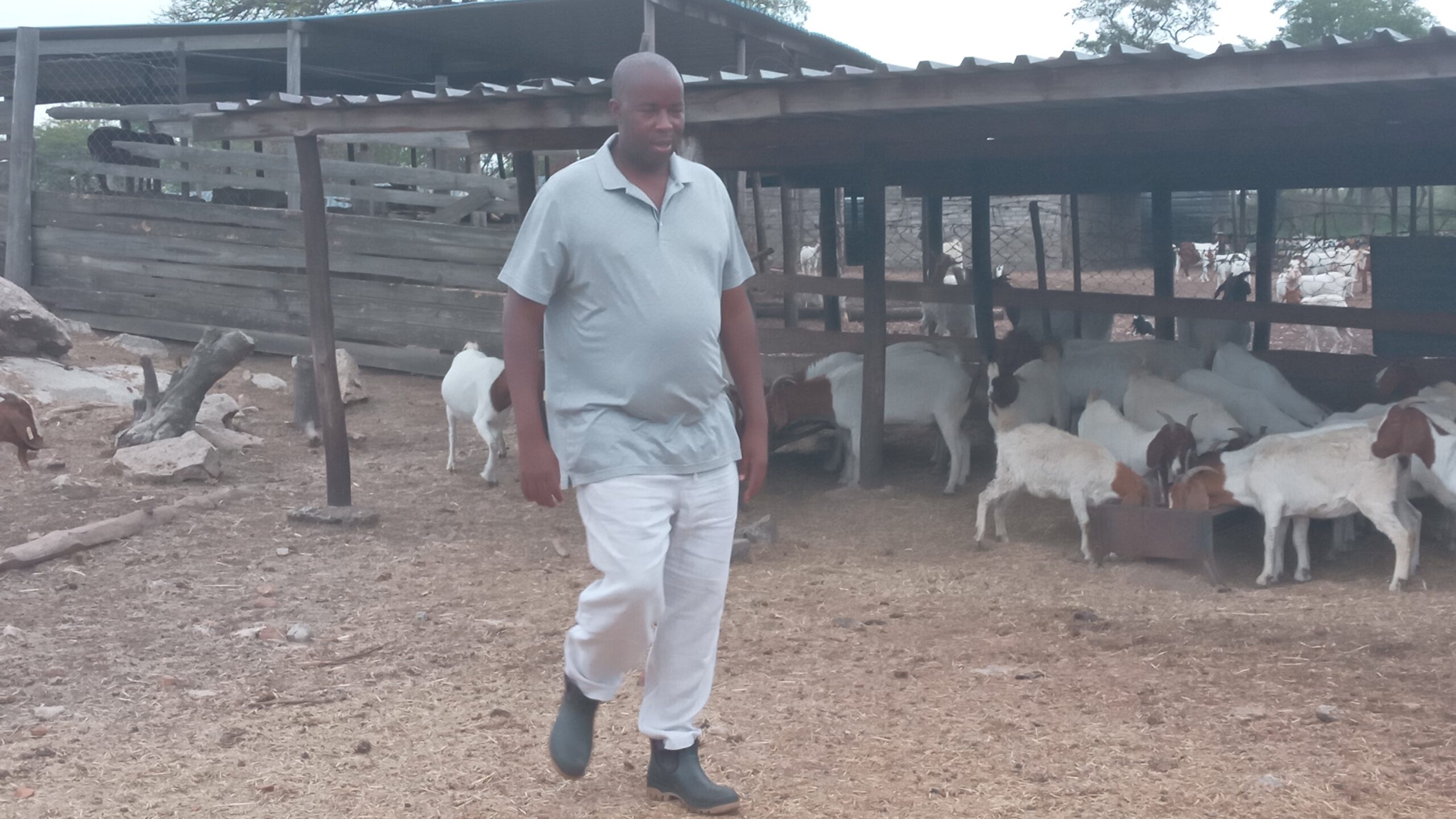
- Commercial Farming: As a new venture, this allows us to contribute to national food security and explore synergies with our land holdings.
This integrated model makes us agile, robust, and a one-stop-shop for comprehensive development solutions.

CN: Do you do philanthropic work to assist the vulnerable in society, if yes, where and how?
SP: Absolutely. Our corporate ethos is deeply rooted in Christian values, and our leadership actively lives out the principle of servant leadership. Philanthropy is an integral part of our identity, not an afterthought. Our current initiatives include the full sponsorship of school fees for a number of primary school children in Chivhu, ensuring they have access to education. Furthermore, we work through our church partnerships to regularly donate clothes and essential goods to vulnerable adults and families within our operating communities. For us, corporate social responsibility is about investing in the holistic well-being of the people we serve.
CN: Any plans to expand business operations in the country?
SP: Most definitely. Expansion is a key pillar of our growth strategy. Our ambition is to bring the Shineplus model of affordable, dignified housing to every province in Zimbabwe. The primary factor enabling this expansion is the availability and affordability of suitable land. We are continuously engaging with local and traditional leadership to identify new opportunities. As these opportunities arise, the citizens of new regions can expect the same level of professionalism, quality, and integrity that has become our hallmark.
CN: Who are your other stakeholders in your business, away from government?
SP: We believe in the power of strategic collaboration. Beyond our crucial partnership with the government, we have built a robust network of reliable stakeholders. This includes:
- Local Authorities: We maintain transparent and professional relationships with City Councils and Rural District Councils (RDCs).
- Industry Specialists: We partner with leading firms like Earthwave Civil Engineers, Rubicon for bitumen products, and Lyonaise Transporters, among others, primarily based in Masvingo Province. These partnerships ensure we deliver world-class infrastructure and services.
CN: What are the challenges that the property development industry is facing in the country?
SP: The industry faces several headwinds, but the most significant challenge is access to fair and sustainable project financing. The current financial landscape often presents developers with a difficult choice: accept funding caps that are insufficient for meaningful development, grapple with prohibitively high-interest rates, or enter into equity arrangements where the financier takes a disproportionate share, often side lining the original developer. This funding gap stifles innovation, slows down delivery, and ultimately hampers the nation’s ability to meet its housing targets. We advocate for more developer-friendly financial instruments to unlock the sector’s full potential.
CN: Everyone has a desire to build a dream home. What are some of the ideal steps one needs to take to ensure they don’t end up being duped by land developers?
SP: This is a critical question. The rise of land barons is a blight on our industry, and we empathize with anyone who has been a victim. Vigilance and due diligence are non-negotiable. Before parting with any money, a prospective homeowner must:
- Demand Documentation: Insist on seeing the Title Deeds, Offer Letter from the relevant ministry, Development Permit, and Approved Layout and General Plans.
- Verify Independently: Physically visit the following offices and pay the small search fee (typically US$10-20)—a negligible cost compared to potential losses:
- The Local Authority (City Council or RDC) governing the area.
- The Ministry of Local Government’s Department of State lands/Physical Planning.
- The Surveyor General’s Office.
A genuine developer will have all their paperwork in order and will encourage this verification process. At Shineplus, we facilitate this transparency for all our clients.
CN: What does the future in land development hold for the country in the foreseeable future?
SP: We are profoundly optimistic. The future of land development in Zimbabwe is exceptionally bright. The increasing number of players signals a healthy, growing market. This competition will inevitably drive innovation, elevate quality standards, and promote fairness in pricing. More importantly, it signifies a collective national effort to address the housing deficit. Shineplus is excited to be at the forefront of this transformative period, committed to leading by example through integrity and excellence.
CN: Any advice to young entrepreneurs who want to start a land and property development business?
SP: Our advice is simple: Start with purpose, and build with integrity. The property development business is not just about bricks and mortar; it’s about trust and legacy. If your primary vision is to provide a genuine solution to the critical challenge of housing, you are already on the path to greatness. Equip yourself with the right technical and legal knowledge, surround yourself with ethical partners, and never compromise on your values. The market rewards those who do things the right way.
CN: How is your working relationship with local authorities in the country? Any obstacles in dealing with councils?
SP: Our relationship with local authorities is built on a foundation of mutual respect and a shared goal: sustainable urban and rural development. As in any complex partnership, challenges can arise, typically related to bureaucratic processes or aligning timelines. However, we have found that the keys to a successful partnership are unwavering transparency, steadfast professionalism, and open, consistent communication. When issues do surface, we engage proactively, seeking a negotiated compromise that serves the best interests of the community and the project. This collaborative approach has consistently allowed us to navigate hurdles and maintain productive, long-term relationships with councils across the country.