
Tiyani Hahlani
Center News Hub
Buhera-The freedom of Zimbabwean citizens to speak openly before Parliament has come under renewed scrutiny after four civil society organisations raised alarm over the alleged intimidation of the Buhera Residents Network Trust (BRNT) by a senior government official, warning that threats against community representatives could undermine parliamentary oversight, constitutional rights and public accountability.
In a joint statement issued on July 10 (Friday), the Centre for Natural Resource Governance (CNRG), Zimbabwe Diamond and Allied Workers Union (ZIDAWU), Centre for Peace Research and Development in Africa (CPRDA) and Zivai Community Empowerment Trust (ZICET) condemned what they described as intimidation directed at BRNT following its appearance before the Parliamentary Portfolio Committee on Environment, Climate and Wildlife on July 6.
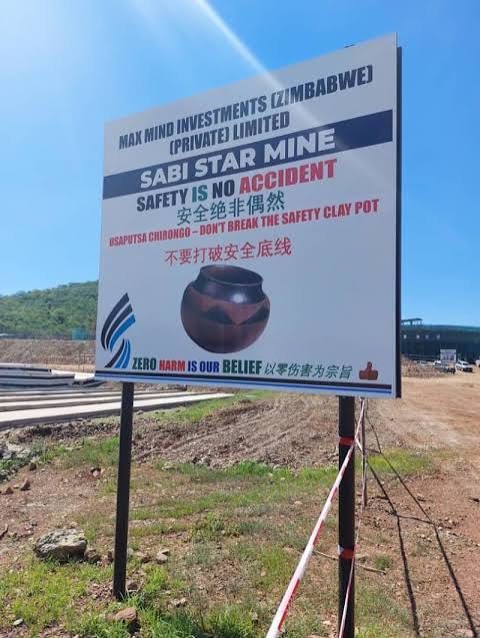
According to the organisations, BRNT appeared before the parliamentary committee to present concerns over the environmental, social and labour impacts of lithium mining operations by Sabi Star (Maxi Mind Investments) in Buhera.
The submission included allegations of environmental degradation, contamination of water sources, excessive water abstraction, unsafe working conditions, dust pollution and the displacement of communities.
The organisations further alleged that a senior government official later issued a threatening public statement targeting BRNT and one of its representatives.
The organisations said the alleged intimidation was not merely an attack on a single community organisation but a threat to Parliament’s constitutional mandate to receive evidence from citizens without fear or favour.
They argued that if citizens can be intimidated after appearing before parliamentary committees, it risks discouraging other communities from reporting environmental abuses, labour rights violations and governance failures.
“The issues presented before the Parliamentary Portfolio Committee on Environment, Climate and Wildlife are matters of profound public interest. They are not personal grievances.”
“They raise questions concerning compliance with Zimbabwe’s environmental, labour and mining laws and therefore warrant thorough and impartial investigation by Parliament and the relevant oversight institutions,” the organisations said
The coalition said the alleged intimidation strikes at the heart of Zimbabwe’s constitutional order, citing constitutional provisions that guarantee citizens the right to participate in governance, access information and enjoy an environment that is not harmful to their health or well-being.
They also referred to the Parliamentary Privileges, Immunities and Powers Act, arguing that it protects the integrity of parliamentary proceedings by ensuring witnesses can present evidence without intimidation or retaliation.
The organisations urged the Parliamentary Portfolio Committee on Environment, Climate and Wildlife to proceed with an independent investigation into the concerns raised by BRNT, including allegations of environmental pollution, worker safety, water security, community displacement and compliance with environmental obligations.
They also called on the Speaker of Parliament to ensure witnesses appearing before parliamentary committees are protected from intimidation, harassment or retaliation.
They further appealed to public officials to address evidence presented before Parliament through lawful investigations rather than threats or attempts to silence community voices.
“Communities living alongside mining operations are not enemies of development. They are constitutional rights holders entitled to safe environments, meaningful participation in decisions affecting their lives, and access to effective remedies where harm has occurred,” the organisations said.
The four organisations reaffirmed their solidarity with BRNT, saying they would continue defending the constitutional rights of communities to organise, petition Parliament, expose environmental harm and demand accountability in the governance of Zimbabwe’s natural resources.
They maintained that independent investigations, transparency and accountability, not the silencing of communities, remain the appropriate response to environmental grievances.