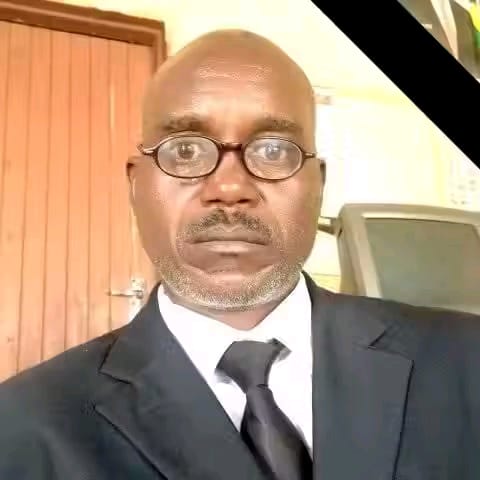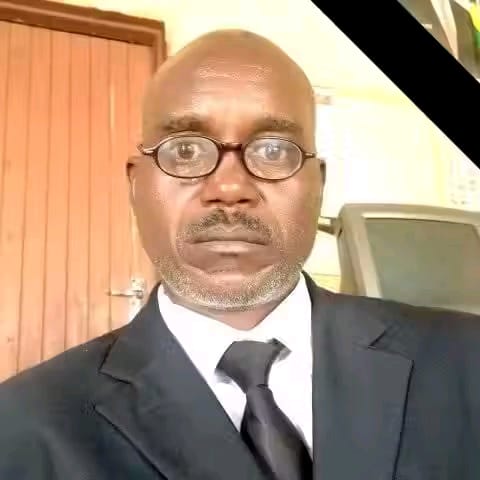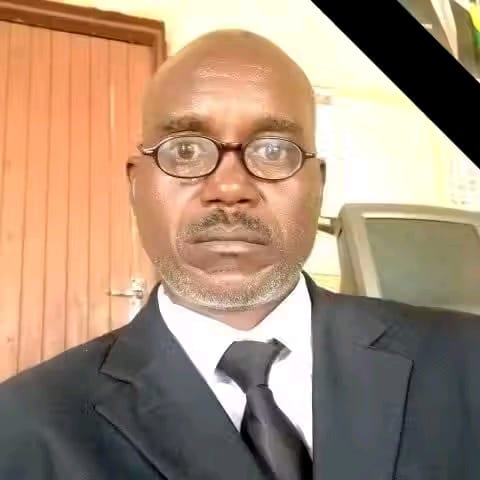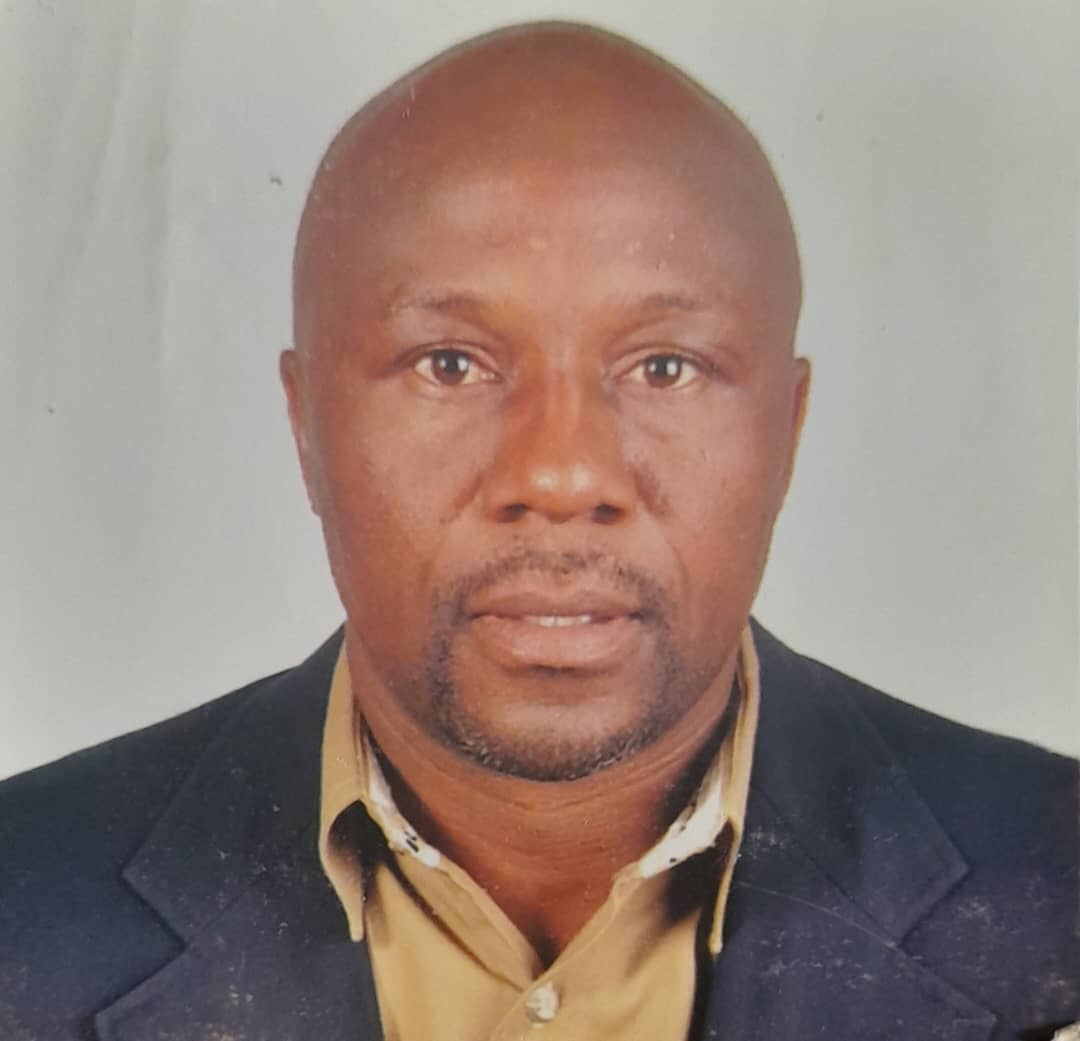

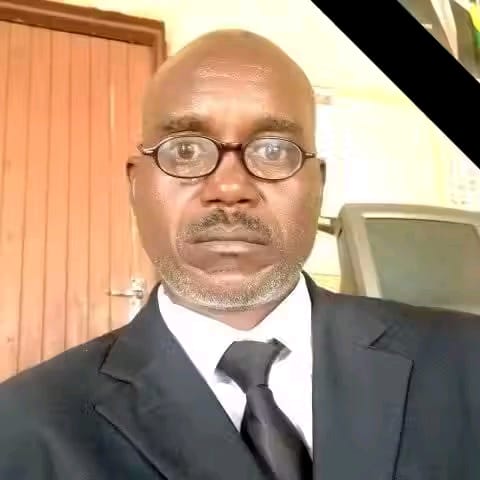
By Tabe Ishimael Danirayi, writing in his own capacity
One of the greatest barriers faced by persons with disabilities is not their impairment but the negative attitudes and perceptions that exist within society. These attitudes are often expressed through labels, derogatory names, and sarcastic remarks that diminish human dignity and undermine efforts towards inclusion.
Across Zimbabwe, persons with disabilities continue to encounter language that stereotypes, stigmatizes, and dehumanizes them. Words and expressions that focus on a person’s disability rather than their abilities can leave lasting emotional scars. Such language creates an environment where people with disabilities are viewed as objects of pity, charity, or ridicule instead of equal citizens with rights, talents, and aspirations.
Disability inclusion organizations in Zimbabwe have long advocated for a shift from charity-based approaches to rights-based approaches. This means recognizing persons with disabilities as active participants in society who can contribute to national development when barriers are removed. However, this vision cannot be achieved if society continues to use language that reinforces discrimination and exclusion.
Labels often become self-fulfilling barriers. A child repeatedly called derogatory names at school may lose confidence and stop participating in class activities. A young person with a disability may avoid leadership opportunities because society has convinced them that they are incapable. Adults may be excluded from employment and community participation because employers and community members have internalized negative stereotypes.
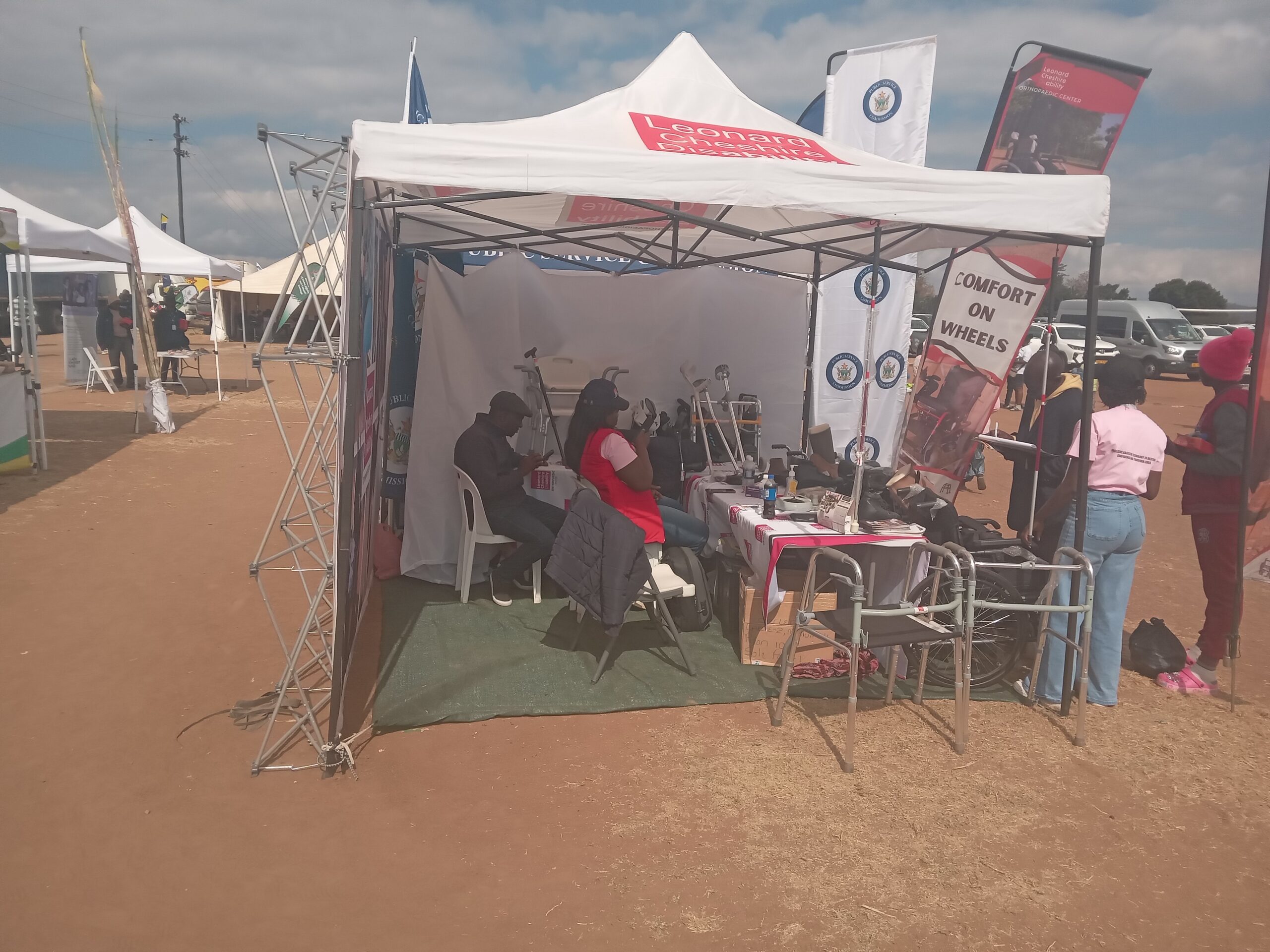
The work of disability inclusion organizations seeks to challenge these harmful perceptions. Through advocacy, awareness campaigns, community engagement, and policy dialogue, these organizations promote the message that disability is a natural part of human diversity. They encourage communities to see ability before disability and to respect every person’s inherent dignity.
The use of respectful language is a critical component of disability inclusion. Referring to individuals as “persons with disabilities” rather than using derogatory labels acknowledges their humanity first. Respectful communication helps create environments where people feel valued, accepted, and empowered to participate fully in social, economic, political, and cultural life.
The media also has a significant role to play. Journalists, editors, broadcasters, and content creators should avoid sensational, pity-based, or discriminatory language when reporting on disability issues. Instead, they should highlight achievements, contributions, and success stories that demonstrate the capabilities of persons with disabilities.
Schools, workplaces, churches, and community leaders must also become champions of positive language. Children should be taught from an early age that differences should be respected rather than mocked. Communities should challenge derogatory remarks whenever they occur and promote a culture of inclusion and mutual respect.
Zimbabwe’s constitutional commitment to equality and non-discrimination provides a strong foundation for these efforts. However, true inclusion requires more than legislation. It requires a transformation in how society thinks, speaks, and acts towards persons with disabilities.
As disability inclusion organizations continue to advocate for accessibility, equal opportunities, and social justice, there is a collective responsibility for every citizen to eliminate labels and dehumanizing language from daily interactions. Inclusion begins with respect, and respect begins with the words we choose.
A society that values dignity over labels creates opportunities for all its citizens to thrive. By rejecting stereotypes and embracing respectful language, Zimbabwe can move closer to becoming a nation where persons with disabilities are recognized not for their limitations but for their potential, contributions, and humanity.
Words can build barriers, but they can also build bridges. Let us choose words that promote dignity, inclusion, and equality for all.